How Dietary and Lifestyle Foods Are Transforming Modern Grocery Shopping


The way we shop for food has changed more in the last five years than in the previous fifty. In 2026, dietary preferences and lifestyle choices are no longer niche concerns — they are driving forces reshaping entire supermarket aisles, product development, and consumer expectations. From flexitarians to keto followers, from allergy-conscious families to wellness enthusiasts, today’s shoppers demand more than just convenience. They want food that aligns with their values, health goals, and identity.
The Rise of Personalized Nutrition
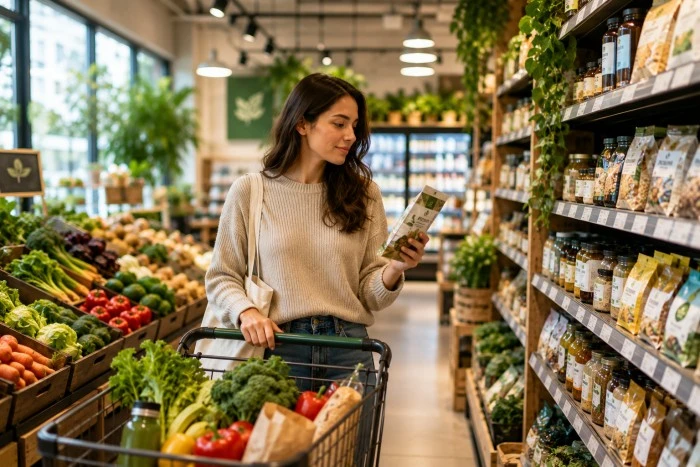
Gone are the days when grocery shopping meant grabbing the same staples every week. Modern consumers are increasingly informed about how food affects their energy, mood, digestion, skin, and long-term health. This awareness has created massive demand for specialized products. Grocery retailers now dedicate entire sections to gluten-free, dairy-free, plant-based, low-sugar, high-protein, and keto-friendly options.
What was once a small health food corner has expanded into full aisles. Shoppers no longer settle for basic alternatives — they expect flavorful, high-quality versions that don’t feel like compromises. This shift has pushed brands to innovate rapidly, resulting in better-tasting meat substitutes, functional beverages, and nutrient-dense snacks.
Sustainability Meets Dietary Needs
Today’s conscious consumers want products that are good for both their bodies and the planet. This convergence of health and environmental concerns has accelerated demand for organic, regenerative, and locally sourced foods. Many people now choose plant-based proteins not just for health reasons, but also to reduce their carbon footprint.
Zero-waste packaging, plastic-free options, and transparency about sourcing have become major deciding factors. Grocery platforms are responding by highlighting these attributes more clearly, making it easier for shoppers to align their purchases with their values.
The Convenience Factor
Busy lifestyles have made ready-to-eat and easy-prep dietary meals incredibly popular. Pre-portioned meal kits, frozen functional foods, and heat-and-eat options tailored to specific diets are flying off the shelves. People following intermittent fasting, for example, look for high-protein, low-carb meals that fit their eating windows.
This demand for convenience without sacrificing quality has transformed the frozen and chilled food categories. Shoppers now expect restaurant-quality taste in healthier formats.
Ocado has adapted well to these changes by offering extensive ranges of dietary and lifestyle foods with clear filtering options, making it simpler for customers to find exactly what they need.
Technology’s Role in Smarter Shopping
Artificial intelligence and improved apps have made grocery shopping more personalized. Many platforms now suggest products based on past purchases, dietary restrictions, and health goals. Virtual nutrition labels, ingredient scanners, and allergy alerts help shoppers make faster, more confident decisions.
This technological support has reduced the stress of grocery shopping for people managing complex dietary needs, such as multiple food allergies or medical conditions.
Impact on Traditional Shopping Habits
The focus on dietary and lifestyle foods has changed how people navigate stores. Instead of wandering aisles hoping to find suitable options, many now shop with specific lists or use online platforms with strong filtering systems. Weekly meal planning has become more intentional, with greater emphasis on batch cooking and mindful eating.
Supermarkets have responded by improving store layouts, increasing transparency, and offering more educational content about ingredients and nutrition.
Challenges and Considerations
While the growth of specialized foods is largely positive, it has created new challenges. Higher prices for specialty items can strain budgets. There’s also growing concern about ultra-processed “healthy” alternatives that may not deliver on their promises. Savvy shoppers are learning to read labels carefully and prioritize whole foods alongside convenient options.
The Future of Grocery Shopping
As we move further into 2026, the line between “regular” and “special diet” foods continues to blur. More products are being formulated to appeal to multiple dietary preferences at once — for example, vegan and gluten-free items that also taste delicious.
This evolution is making grocery shopping more inclusive and exciting. What began as a response to specific health needs has transformed into a broader movement toward better eating and more mindful consumption.
The modern pantry now reflects who we are — our health goals, ethical values, cultural backgrounds, and busy lifestyles. By embracing these changes, today’s shoppers are not just feeding their families — they’re shaping a more conscious and personalized food future.