How to Choose the Right Cycling Glasses for Comfort, UV Protection, and Speed

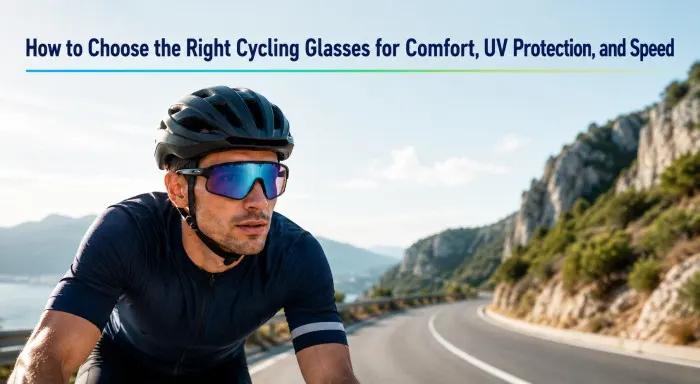
Cycling glasses are more than just a stylish accessory. Whether you ride for fitness, commuting, mountain biking, or racing, the right eyewear can improve comfort, protect your eyes, and even help enhance performance on the road or trail. From blocking harmful UV rays to reducing wind fatigue, cycling glasses play an important role in every rider’s experience.
With so many styles, lens options, and frame designs available, choosing the perfect pair can feel overwhelming. Here’s a complete guide to help you find cycling glasses that match your riding needs.
Prioritize UV Protection First
One of the most important features in cycling glasses is UV protection. Long hours outdoors expose your eyes to harmful ultraviolet rays, which may lead to eye strain and long-term vision issues. Good cycling glasses should block 100% of UVA and UVB rays.
Dark lenses alone are not enough. Always check product specifications to confirm certified UV protection before buying. This is especially important for riders who cycle during peak sunlight hours or in high-altitude areas where UV exposure is stronger.
Choose the Right Lens Color
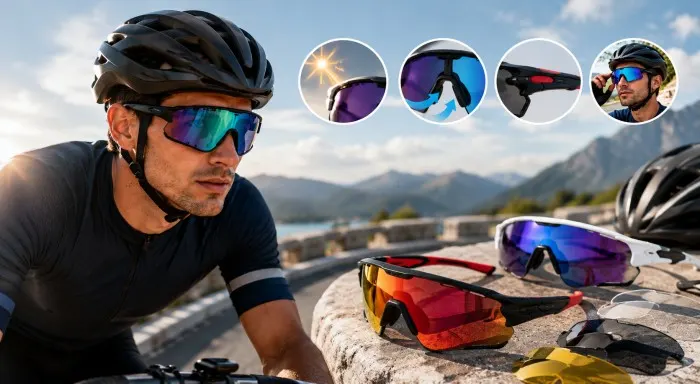
Different lens colors work better in different riding conditions. Selecting the correct tint can improve visibility, contrast, and reaction time.
- Gray lenses are ideal for bright sunny days because they reduce glare without changing colors.
- Yellow or amber lenses improve contrast in cloudy or low-light conditions.
- Photochromic lenses automatically adjust to changing light, making them versatile for mixed weather rides.
- Clear lenses are useful for night riding or protection against dust and insects.
Road cyclists often prefer lenses that enhance contrast, while mountain bikers may benefit from adaptive lenses that handle changing forest light conditions.
Look for a Comfortable Frame Fit
Comfort matters during long rides. Poorly fitted glasses can cause pressure around the nose, ears, or temples, leading to distractions and discomfort.
A good cycling frame should:
- Sit securely without slipping
- Feel lightweight during extended rides
- Provide enough ventilation to reduce fogging
- Stay stable over bumps and rough terrain
Adjustable nose pads and flexible temple arms can help create a customized fit for different face shapes.
Consider Wraparound Designs for Speed and Protection
Wraparound cycling glasses are popular because they offer wider coverage and better aerodynamics. They help shield your eyes from:
- Wind
- Dust
- Debris
- Insects
- Side sunlight
This design also reduces air resistance slightly, which can be beneficial for performance-focused cyclists. Riders traveling at high speeds especially appreciate the added eye stability and reduced watering caused by wind exposure.
Anti-Fog and Ventilation Features Matter
Fogged lenses can become dangerous, especially during early morning rides or intense climbs. Look for glasses with anti-fog coatings or built-in ventilation channels that allow airflow behind the lenses.
Cyclists who ride in humid or rainy conditions should pay extra attention to this feature to maintain clear vision throughout the ride.
Polarized vs. Non-Polarized Lenses
Polarized lenses reduce glare from roads, water, and reflective surfaces. They are excellent for bright daytime riding and improve visual comfort.
However, some cyclists prefer non-polarized lenses because polarized coatings can occasionally affect the visibility of digital screens or road surface details. The best choice depends on your riding environment and personal preference.
Prescription Cycling Glasses
Riders who wear corrective lenses no longer need to compromise between vision and performance. Prescription cycling glasses are increasingly popular and convenient for everyday riders and athletes alike.
Brands such as Zenni Optical offer prescription-ready cycling eyewear with sporty wraparound designs, UV protection, and customizable lens options at affordable prices.
Durability Is Important for Active Riders
Cycling glasses should be durable enough to handle outdoor conditions and accidental drops. Polycarbonate lenses are a popular choice because they are impact-resistant and lightweight.
Frames made from flexible materials such as TR90 nylon tend to last longer and remain comfortable during active use.
Match Your Glasses to Your Riding Style
Different cycling disciplines often require different eyewear features.
- Road cyclists usually prioritize lightweight aerodynamic designs.
- Mountain bikers need stronger protection against dirt and branches.
- Commuters may prefer versatile photochromic lenses for changing city light conditions.
- Gravel riders often choose durable frames with wide coverage for mixed terrain.
Understanding your riding habits helps narrow down the best options quickly.
Final Thoughts
The right cycling glasses can dramatically improve your riding experience by enhancing comfort, visibility, and eye protection. Instead of choosing eyewear based only on appearance, focus on practical features like UV protection, fit, lens technology, ventilation, and durability.
A well-chosen pair of cycling glasses helps reduce fatigue, improves focus on the road, and keeps your eyes protected in every riding condition.