What Is a VPN? A Simple Guide to Online Privacy and Security

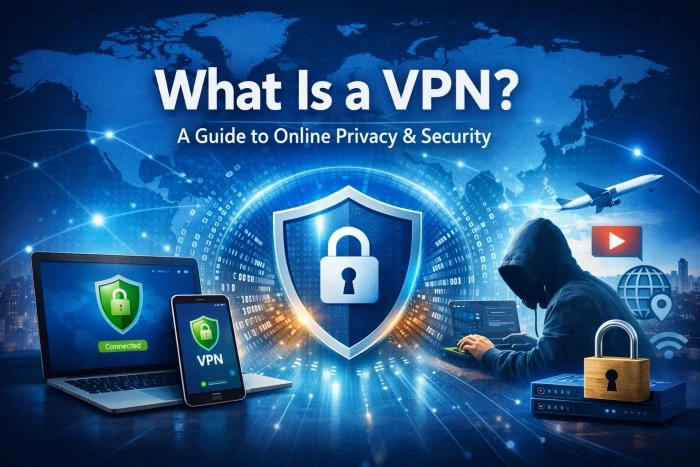
In today’s increasingly connected world, your online privacy matters more than ever. From streaming movies while traveling to accessing sensitive data while working remotely, staying safe on the internet is critical. That’s where a VPN — or Virtual Private Network — comes into play. In this guide, we’ll walk you through what a VPN is, how it works, and why it might be one of the most important tools you use online.
What VPN Stand For?
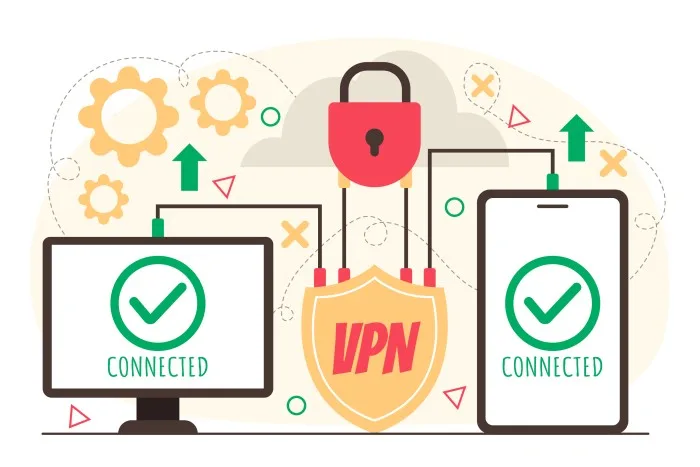
VPN stands for Virtual Private Network — a technology designed to give you secure, private access to the internet. When you connect to a VPN, it creates an encrypted tunnel between your device and the wider web. This tunnel hides your data and identity from prying eyes like hackers, advertisers, and even your Internet Service Provider (ISP).
How Does a VPN Work?
Here’s the essence of how a VPN functions:
- Encrypted Tunnel: When you turn on a VPN, all of your internet traffic is encrypted — meaning it’s scrambled into unreadable code that only you and the VPN can understand.
- Remote Server Routing: Instead of going straight from your device to the internet, your traffic travels through a secure server owned by the VPN provider.
- IP Masking: Because your traffic comes from the VPN server, your real IP address (which reveals your location) is hidden and replaced with one from the VPN.
The result? Greater privacy, enhanced security, and increased control over your online experience.
Why Use a VPN?
A VPN isn’t just for tech experts — it’s becoming essential for everyday online life. Here are the top reasons people use a VPN:
1. Protect Your Privacy
Your ISP, advertisers, and various websites can track your activity if you browse without protection. A VPN hides that activity by encrypting your traffic and concealing your real IP address.
2. Secure Public Wi-Fi Usage
Public Wi-Fi at airports, cafes, or hotels can be unsafe. Without protection, hackers can intercept your data. A VPN encrypts your connection so what you send and receive stays private.
3. Access Blocked or Restricted Content
VPNs let you virtually “relocate” by connecting to servers in other countries — which can help you access content that’s restricted in your region.
4. Continue Streaming While Traveling
Traveling abroad and want to watch your favorite show from home? A VPN can make your streaming services think you’re still in your home country.
5. Secure Remote Work
For professionals working outside the office, VPNs ensure that business data stays encrypted and protected — especially on less secure networks.
Can a VPN Make You Truly Anonymous?
While a VPN significantly boosts privacy, it’s important to understand what it does and doesn’t do. A VPN hides your traffic from your ISP and encrypts your connection, but it doesn’t make you completely anonymous online. Websites can still track you via cookies, and services you log into (like social media) still know who you are. �
Reddit
So while a VPN is a powerful privacy tool, it’s most effective when used alongside other best practices like using strong passwords and enabling two-factor authentication.
A Quick Look: Why NordVPN?
If you’re considering a VPN provider, NordVPN is often recommended for its strong privacy and security features. It uses modern encryption standards and offers features like:
- AES-256 encryption for secure traffic routing.
- Servers in 180+ locations to give you speed and variety.
- Threat Protection Pro to help block malware and ads.
- Support for multiple devices with one subscription.
These tools help make your internet usage safer, faster, and more private — whether you’re streaming, working, or browsing.
Final Thoughts
In an age where online privacy is constantly under threat, a VPN offers a simple way to shield your data, hide your identity, and browse with confidence. Whether you’re a frequent traveler, remote worker, or just someone who values a secure online experience, understanding what a VPN does is the first step toward smarter internet use.