7 Things to Check Before Buying a Large Home Appliance Online

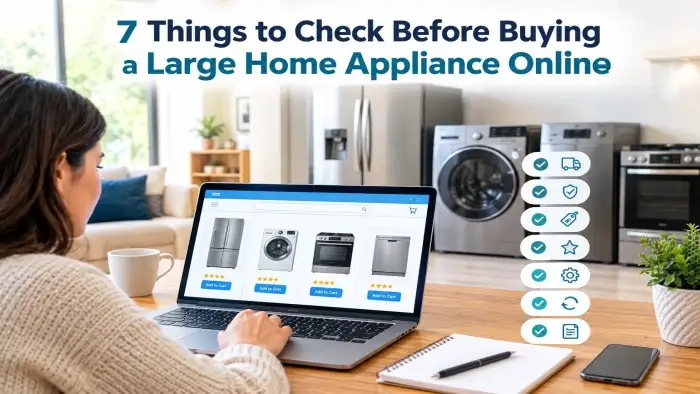
Shopping for major appliances on the internet offers convenience and often wider selection, but it also carries risks that in-store purchases can avoid. Before you commit to a Large Home Appliance Online, careful preparation helps prevent costly mistakes with delivery, fit, performance, and returns. These seven checks cover the most important details that protect both your budget and your home.
1. Exact Dimensions and Clearance Requirements
Measure the intended space carefully, including width, height, and depth. Also note door swing direction, hallway turns, and elevator or stair limitations if the appliance must be carried inside. Manufacturers list product dimensions, but you also need clearance for ventilation, water lines, and proper door opening. A refrigerator or washer that is only slightly too large can create installation problems that are expensive to fix. Compare your measurements against the full product specifications, not just the headline size.
2. Delivery, Installation, and Haul-Away Options
Large appliances rarely arrive ready to use without planning. Confirm whether the retailer offers delivery into the room of choice, basic installation, and removal of the old unit. Some deliveries stop at the curb; others include stairs or elevator service for an extra fee. Ask about connection of water, gas, or electrical lines—many sellers require a separate licensed technician. Clarify the delivery window and what happens if no one is available to receive the appliance. Understanding these logistics in advance prevents surprise fees and delays.
3. Energy Efficiency and Operating Costs
Look beyond the purchase price to long-term running costs. Check the Energy Star rating or equivalent local efficiency label, estimated annual energy use, and water consumption for washers and dishwashers. A more efficient model may cost more upfront but save money over years of use. Review the product’s specifications for noise levels as well, especially for dishwashers, laundry machines, and refrigerators placed near living areas.
4. Warranty Terms and Service Network
Examine the length and coverage of the manufacturer’s warranty, and note whether extended protection plans are available. Equally important is the availability of authorized service technicians in your area. An appliance with a strong warranty is less helpful if repairs require long waits or shipping the unit elsewhere. Read what the warranty excludes—such as damage from improper installation—and keep documentation of professional setup if required.
5. Return Policy and Restocking Rules
Returning a large appliance is complicated and often expensive. Review the retailer’s return window, condition requirements, and who pays for return shipping or pickup. Many sellers charge restocking fees or limit returns once the appliance has been installed. Some online purchases are considered final sale after delivery. Knowing these rules before you buy helps you avoid being stuck with a model that does not meet expectations.
6. Customer Reviews and Reliability Data
Read recent owner reviews that mention real-world performance, durability, and customer service experiences. Pay attention to comments about delivery condition, noise, temperature consistency, or recurring faults. Independent reliability surveys and professional test results can provide additional perspective. Be cautious of reviews that seem overly generic or extreme, and look for patterns across multiple sources rather than relying on a single opinion.
Etsy can be useful for unique smaller household items or specialty accessories, but major appliances are typically purchased from established appliance retailers that provide clear specifications, delivery infrastructure, and service support.
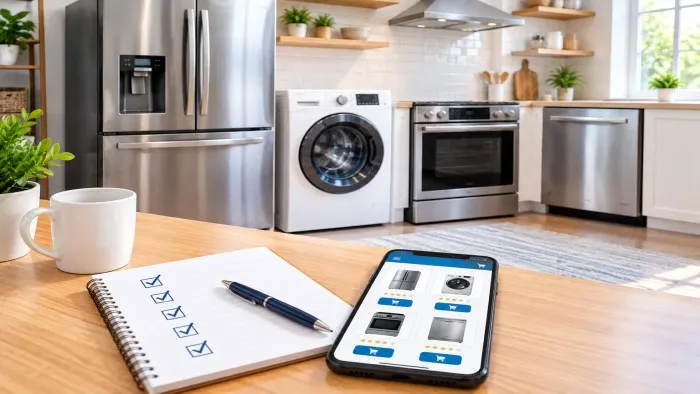
7. Compatibility with Your Home’s Utilities
Confirm that the appliance matches your home’s electrical supply, water pressure, gas type (if applicable), and venting requirements. A powerful electric range may need a dedicated circuit; a gas dryer requires the correct fuel type and proper venting. Checking these details prevents the frustration of receiving an appliance that cannot be safely connected without costly home modifications.
Additional Practical Tips
Keep a record of model numbers, serial numbers, and all order confirmations. Photograph the appliance and packaging upon delivery before signing, noting any visible damage. If installation is delayed, understand how long the retailer will hold the unit and whether storage fees apply.
Price comparisons are useful, but the lowest price is not always the best value once delivery fees, installation, and warranty support are included. Factor in the full cost of getting the appliance working in your home.
Final Thoughts
Buying a large home appliance online can be straightforward when you prepare carefully. Verifying dimensions, delivery terms, efficiency ratings, warranty support, return policies, real-user feedback, and utility compatibility greatly reduces the risk of problems. Taking time with these seven checks helps ensure the appliance you choose fits your space, works as expected, and remains a sound investment for years to come.