Prescription vs. Non-Prescription Glasses: Which Type Is Right for You?

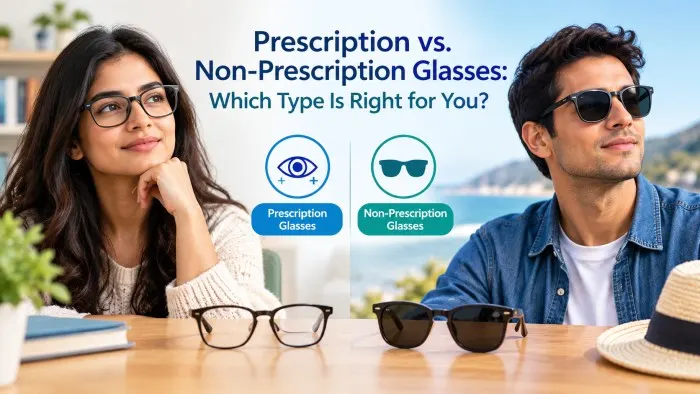
Choosing the right pair of glasses is about more than finding a frame you like. The lenses also need to match your vision needs and how you plan to use the glasses. Two common options are prescription and non-prescription glasses, and understanding the difference can help you make a more informed choice.
What Are Prescription Glasses?
Prescription glasses are designed to correct specific vision problems. They use lenses customized according to an eye-care professional’s prescription, which may include measurements for nearsightedness, farsightedness, astigmatism, or other vision needs.
The lenses can be made with different materials and features depending on your prescription and lifestyle. Options may include anti-reflective coatings, photochromic lenses, and thinner lens materials for certain prescriptions.
If you regularly experience blurry vision, difficulty reading road signs, headaches while focusing, or trouble seeing objects clearly at certain distances, prescription eyewear may be appropriate. An up-to-date eye examination can help determine whether you need vision correction.
What Are Non-Prescription Glasses?
Non-prescription glasses have lenses without vision-correction power. They can be worn for fashion, protection, or specific lens features without changing your prescription vision.
For example, some people choose non-prescription sunglasses for style and protection from bright sunlight. Others may choose clear fashion frames simply as an accessory.
Some non-prescription lenses can also include coatings or specialized features. However, these glasses do not replace prescription lenses when vision correction is needed.
Prescription vs. Non-Prescription: Key Differences
The biggest difference is the purpose of the lenses. Prescription glasses are customized to correct an individual’s vision, while non-prescription glasses generally provide no optical correction.
Prescription eyewear is typically based on measurements from an eye examination. Non-prescription eyewear can usually be selected based on appearance, comfort, fit, and intended use.
When shopping for eyewear online, retailers such as Zenni Optical offer both prescription and non-prescription frame and lens options, allowing shoppers to explore different styles based on their individual needs.
When Should You Choose Prescription Glasses?
Prescription glasses may be the better choice if you have a current prescription and need clearer vision for everyday activities.
They can be particularly useful for:
Reading and close-up work
Driving
Working on a computer
Watching television
Seeing classroom boards or presentations
General everyday vision correction
Your prescription can also help determine which lens type and features are appropriate for your eyes.
When Are Non-Prescription Glasses Appropriate?
Non-prescription glasses can be suitable when you do not need vision correction but want eyewear for other purposes.
Common reasons include:
Adding a fashion accessory to an outfit
Wearing sunglasses for outdoor activities
Using protective eyewear where appropriate
Trying different frame styles
Choosing lenses with specific non-corrective features
For sunglasses, remember that lens darkness alone does not indicate UV protection. Look for eyewear specifically designed to provide appropriate UV protection.
What About Blue-Light Glasses?
Blue-light glasses can be available with either prescription or non-prescription lenses. The key difference remains whether the lenses contain vision-correction power.
If you already wear prescription glasses, you may be able to choose prescription lenses with additional lens features. If you do not need vision correction, non-prescription options may be available.
However, blue-light glasses should not be considered a substitute for an eye examination or treatment for an underlying vision problem.
Consider Your Lifestyle
Your daily activities should also influence your eyewear choice. Someone who spends most of the day reading or working at a computer may have different requirements from someone who primarily needs glasses for driving or outdoor activities.
Think about when you need the clearest vision, how often you wear glasses, whether you spend time outdoors, and whether you prefer a particular frame style. These factors can help you identify the type of eyewear that fits your routine.
Check Your Prescription Regularly
If you rely on prescription glasses, make sure your prescription is current. Vision can change over time, and an outdated prescription may no longer provide the clearest correction.
Regular comprehensive eye examinations can help identify changes in your vision and other eye-health concerns. An eye-care professional can also explain which lens options are appropriate for your needs.
Final Thoughts
Prescription and non-prescription glasses serve different purposes. Prescription eyewear is designed to correct vision according to your individual prescription, while non-prescription glasses can be useful for fashion, sunglasses, or other purposes where vision correction is not required.
The right choice depends on your vision, lifestyle, comfort, and intended use. When in doubt about whether you need corrective lenses, an eye-care professional can help you determine the appropriate option.