Key Types of Men’s Apparel Every Closet Should Include

Building a well-rounded wardrobe is less about following trends and more about owning the right mix of essential pieces. From everyday basics to occasion-ready outfits, men’s clothing categories are designed to cover comfort, function, and personal style. Retailers like Kohl’s, a major U.S. department-store chain founded in 1962 and serving millions of customers through more than 1,100 stores and its e-commerce platform, showcase how a balanced clothing selection can meet diverse needs.
Below is a practical guide to the key types of men’s apparel every closet should include and why each category matters.
Everyday Basics: The Foundation of Style
No wardrobe is complete without reliable basics. These include T-shirts, tanks, long-sleeve tops, and simple pants that can be mixed and matched easily. Retail assortments highlight how these essentials function as the core of everyday dressing because they are versatile, comfortable, and suitable for layering.
Neutral colors such as black, white, navy, and gray are especially useful because they pair well with almost anything. Owning several high-quality basics ensures you can create outfits quickly without overthinking combinations.
Casual Wear: Comfort Meets Personality
Casual clothing reflects personal taste while maintaining comfort. Items like polos, graphic tees, joggers, hoodies, and flannel shirts fall into this category. Some lifestyle collections feature graphic tees, fleece pieces, and joggers specifically designed for relaxed daily wear.
Casual pieces allow men to express individuality through prints, textures, and colors. They are ideal for social outings, travel, or relaxed work environments where formal attire isn’t required.
Smart-Casual Staples: The Versatile Middle Ground
Smart-casual clothing bridges the gap between relaxed and formal. Think chinos, button-down shirts, lightweight sweaters, and clean sneakers. These pieces are essential because they can transition from daytime meetings to evening events without needing a full outfit change.
For example, pairing chinos with a crisp shirt instantly elevates your appearance compared to jeans and a T-shirt. This category is especially valuable for modern workplaces that encourage polished yet comfortable dressing.
Formal and Occasion Wear
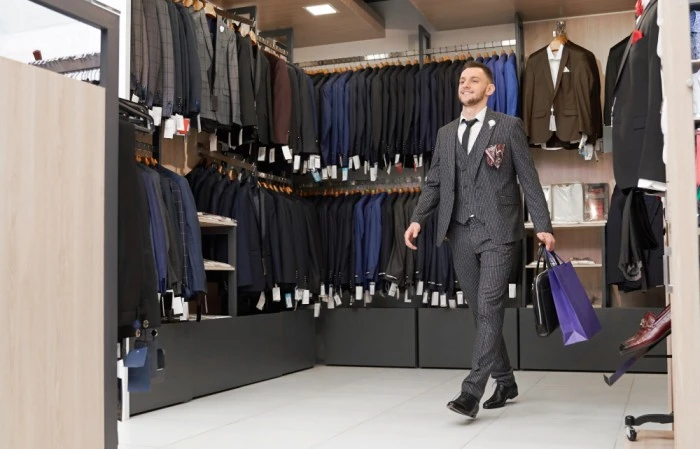
Even if you rarely attend formal events, having at least one complete dress outfit is essential. This usually includes a tailored blazer or suit jacket, dress shirt, formal trousers, and dress shoes. These items are useful for weddings, interviews, presentations, or ceremonies.
Formalwear may not be worn daily, but its importance lies in preparedness. Owning a ready-to-wear formal set saves last-minute stress when unexpected occasions arise.
Outerwear: Function and Style Combined
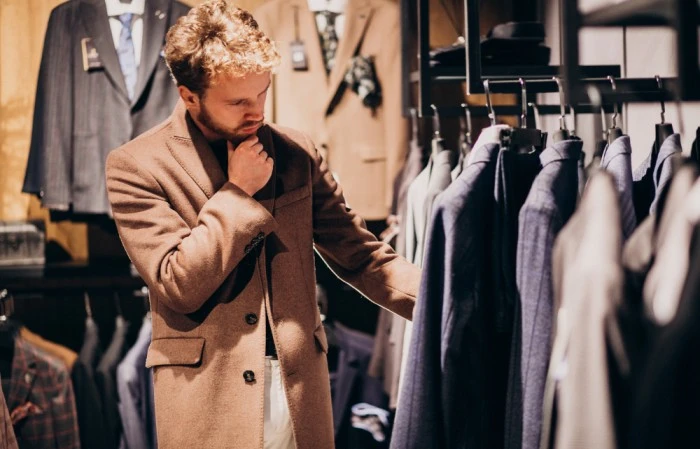
Outerwear is both practical and stylish. Jackets, coats, parkas, and lightweight windbreakers protect against weather while completing an outfit. Seasonal outerwear ensures comfort throughout the year—from insulated coats for winter to light jackets for breezy evenings.
Choosing neutral or classic designs helps outerwear coordinate easily with multiple outfits, maximizing its usefulness.
Activewear and Performance Clothing
Athletic and performance apparel has become a staple in modern wardrobes. Sportswear such as training shorts, moisture-wicking shirts, and athletic pants supports workouts, sports, and active lifestyles. Many retailers carry well-known performance brands alongside everyday basics, showing how activewear has evolved into a mainstream clothing category.
Because athleisure is widely accepted in casual settings, these pieces often double as comfortable daily wear.
Sleepwear and Loungewear
While often overlooked, sleepwear and loungewear are essential for comfort at home. Pajama sets, lounge pants, and soft tees contribute to better relaxation and rest. Having dedicated clothing for downtime also helps maintain the longevity of everyday outfits by reducing wear and tear.
Seasonal and Specialty Items
Certain garments serve specific seasonal or situational needs. Swimwear for summer, thermal layers for winter, and rain-ready clothing are examples. These pieces may not be used year-round, but they ensure you are prepared for climate changes and travel.
Why a Balanced Wardrobe Matters
A closet filled with random pieces can make dressing stressful. In contrast, a well-planned wardrobe built around essential categories offers:
- Versatility: Items mix easily to create multiple outfits.
- Efficiency: Less time spent deciding what to wear.
- Confidence: Knowing you’re dressed appropriately for any occasion.
Large retailers such as Kohl’s emphasize stocking “core wardrobe staples” and basics that can be layered and styled in different ways, reinforcing the idea that essentials form the backbone of men’s fashion.
Final Thoughts
Every man’s style is unique, but the structure of a functional wardrobe remains consistent. Essentials, casualwear, smart-casual pieces, formal outfits, outerwear, activewear, and specialty items each play a role in covering life’s various situations. By ensuring your closet includes these key types of apparel, you create a practical, adaptable, and stylish wardrobe that works year-round.