
Common Dog Paw Problems and How the Right Paw Care Routine Can Help

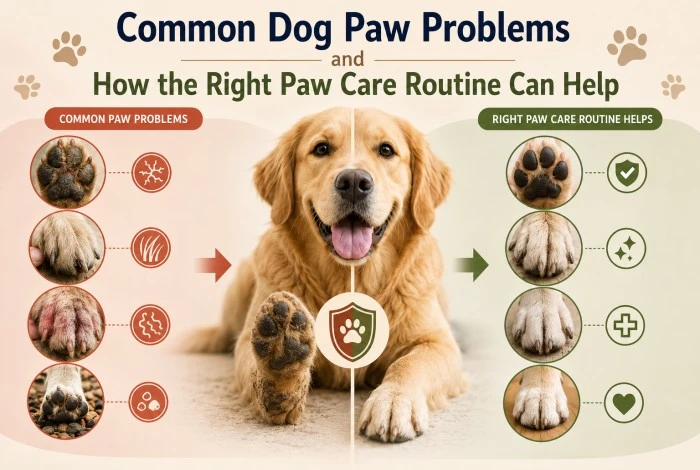
A dog’s paws are among the hardest-working parts of its body. They support every walk, run, jump, and adventure, yet they are often overlooked when it comes to regular pet care. Because dogs spend so much time on their feet, their paws are constantly exposed to rough surfaces, changing weather conditions, and environmental irritants. Over time, this exposure can lead to a variety of paw problems that affect comfort and mobility.
The good news is that many common paw issues can be prevented or managed with a simple and consistent paw care routine. By understanding the most frequent paw problems and taking proactive steps to address them, pet owners can help their dogs stay active and healthy.
Dry and Cracked Paw Pads
One of the most common paw issues in dogs is dry or cracked paw pads. Just like human skin, paw pads can lose moisture and become rough over time. Extreme weather conditions, hot pavement, cold temperatures, and rough terrain can all contribute to dryness.
When paw pads become severely cracked, walking may become painful for the dog. In some cases, cracks can even lead to bleeding or infection if not properly cared for. Regularly checking your dog’s paws and applying pet-safe moisturizing products can help keep paw pads soft and healthy.
Cuts and Minor Injuries
Dogs naturally explore their surroundings, which sometimes puts their paws at risk. Sharp rocks, broken glass, thorns, or rough surfaces can cause cuts and abrasions. While some injuries are obvious, smaller cuts may go unnoticed until the dog starts limping or licking the affected area.
Inspecting your dog’s paws after walks or outdoor activities is an effective way to catch minor injuries early. Prompt cleaning and proper care can help prevent complications and support faster healing.
Excessive Licking and Chewing
Many dog owners notice their pets frequently licking or chewing their paws. While occasional licking is normal, excessive behavior may signal an underlying problem.
Common causes include allergies, irritation, dry skin, or discomfort caused by foreign objects trapped between the toes. Persistent licking can worsen the problem by causing inflammation and creating an environment where infections can develop. A consistent paw inspection routine can help identify the source of irritation before it becomes more serious.
Allergies and Environmental Irritants
Environmental allergies are another major contributor to paw problems. Dogs often come into contact with grass, pollen, dust, and household chemicals while walking or playing outdoors. When allergens accumulate on the paws, they can trigger itching and irritation. Many dogs respond by licking their paws excessively, which may further aggravate the condition. Cleaning paws after walks can help remove potential allergens and reduce irritation. For dogs with recurring symptoms, consulting a veterinarian may help identify specific triggers.
In recent years, many pet owners have started purchasing pet-care essentials alongside their regular household shopping through platforms like Ocado. Products such as paw wipes, grooming supplies, and moisturizing balms available through Ocado can help simplify routine pet care and support healthier paws.
Hot Pavement and Summer Paw Damage
During warmer months, sidewalks and asphalt can reach temperatures high enough to burn a dog’s paw pads. Many pet owners underestimate how quickly hot surfaces can cause discomfort or injury.
Signs of heat-related paw damage may include limping, redness, or reluctance to continue walking. To reduce the risk, it is best to schedule walks during cooler times of the day, such as early morning or evening. Testing the pavement with your hand before taking your dog outside can also help determine whether the surface is safe.
Winter Weather Challenges
Cold weather can be just as harsh on paws as extreme heat. Snow, ice, and road salt often lead to dryness, irritation, and discomfort. Ice may become trapped between paw pads, while de-icing chemicals can irritate sensitive skin. After winter walks, wiping your dog’s paws can help remove salt and debris. Applying a protective paw balm may also help create a barrier against harsh weather conditions.
The Role of Nail Care
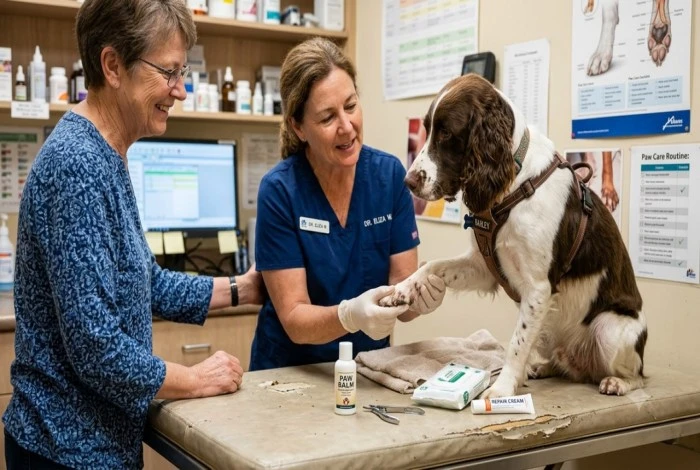
Healthy paws are not just about the paw pads. Nail maintenance plays an important role in overall paw health as well. Overgrown nails can affect posture, walking patterns, and joint alignment. When nails become too long, they may crack, split, or snag on surfaces, causing pain and injury. Regular trimming helps maintain proper foot structure and supports comfortable movement. For dogs that are nervous about nail trimming, gradual training and positive reinforcement can make the process easier.
Creating a Simple Paw Care Routine
Maintaining healthy paws does not require a complicated routine. Consistency is often the most important factor. Taking a few minutes each week to inspect and care for your dog’s paws can help prevent many common problems.
Regular checks allow you to spot changes early, whether it is a small cut, signs of irritation, or unusual swelling. Combined with proper cleaning, moisturizing, and nail maintenance, these habits can significantly improve paw health.
Conclusion
A dog’s paws play a vital role in its daily life, making paw care an important part of overall pet wellness. Common issues such as cracked paw pads, cuts, allergies, and weather-related damage can often be prevented through regular attention and care. By establishing a simple paw care routine and addressing problems early, pet owners can help their dogs stay comfortable, active, and ready for every adventure. Healthy paws not only improve mobility but also contribute to a happier and healthier life for your furry companion.