
AI in Food Apps: Redefining the Way We Eat and Order

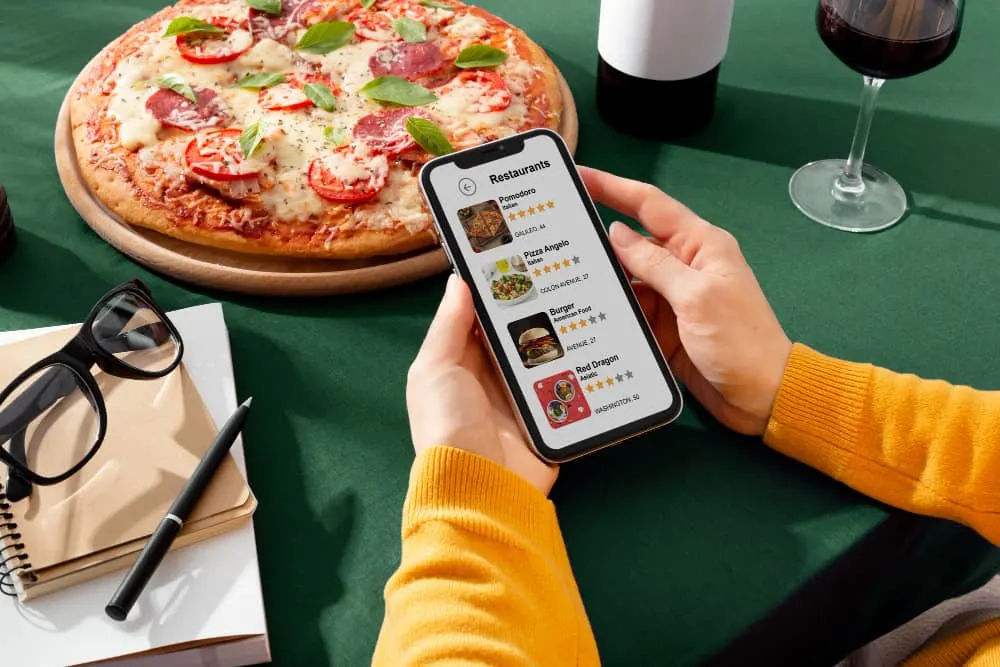
In recent years, food has gone digital. From the way we plan meals to how we order our favorite snacks, mobile apps have become a key ingredient in modern eating habits. At the center of this transformation is artificial intelligence (AI), quietly shaping everything from our cravings to our kitchen routines.
But this is more than a tech trend—it’s a cultural shift. As AI becomes more embedded in our daily interactions with food, it’s not just streamlining the process. It’s changing how we think about food, how we relate to it, and how we experience it.
Let’s explore the many ways AI is transforming apps in the food and beverage (F&B) industry—and what that means for the future of food.
1. Personalized Food Experiences
AI has given food apps the power to act like personal culinary assistants. These systems analyze user behavior—what you browse, like, avoid, and order—and build dynamic profiles that evolve over time. Your food app doesn’t just know what you ate last week. It predicts what you might want next week.
These personalized recommendations take into account:
- Taste preferences and past behavior
- Dietary restrictions (e.g., vegetarian, low-carb)
- Time of day, season, or weather
- Cultural or regional flavor profiles
The goal is simple: reduce decision fatigue and help people discover meals they’ll love, faster and more often.
2. Intelligent Inventory and Food Waste Reduction
On the business side, AI helps food providers manage one of their biggest challenges—inventory. Overbuying leads to spoilage, underbuying leads to lost sales. AI bridges the gap by using predictive analytics to forecast demand with impressive accuracy.
For example, AI systems can:
- Analyze seasonal trends and holidays
- Track historical sales data and local events
- Predict ingredient consumption patterns
By managing inventory in real-time, AI helps reduce food waste, improve sustainability, and support cost-efficient operations.
3. Smarter, Hands-Free Interactions
With voice-powered interfaces becoming more common, food apps are now easier to interact with than ever before. Instead of tapping through menus, users can simply speak commands like, “Suggest a healthy lunch” or “What can I make with mushrooms and rice?”
These conversational AI features are especially useful for:
- Users with disabilities
- People cooking with messy hands
- Busy multitaskers
Explore More- Key Trends in AI in Gaming for 2025
4. Real-Time Delivery Efficiency
Behind every on-time food delivery is a complex web of logistics—and AI is helping to simplify it. Food delivery apps now use AI to optimize routes, predict traffic delays, adjust preparation times, and match delivery personnel with orders in real time.
This results in:
- Shorter delivery windows
- Fresher meals upon arrival
- Fewer canceled or late orders
AI also helps forecast peak demand periods so kitchens and drivers can be better prepared ahead of time.
5. Food Recognition and Augmented Cooking
AI-powered visual tools are enhancing the way we understand what’s on our plates. By scanning a photo of your meal, some apps can estimate calories, suggest healthy alternatives, or offer preparation tips.
Other features include:
- Barcode scanning for packaged food insights
- Visual cooking instructions using augmented reality (AR)
- Image-to-recipe functions based on food photos
These tools turn smartphones into smart kitchens—especially useful for beginners or those tracking health goals.
6. Smarter Menu Creation for Restaurants
AI can help food businesses do more than cook—it can help them design menus that resonate with customers. By analyzing sales data, customer reviews, and dining trends, AI tools suggest which dishes to promote, update, or retire.
Benefits include:
- Optimizing pricing for profitability
- Adjusting portion sizes
- Testing virtual menus without launching them
This kind of data-informed creativity ensures food businesses stay competitive while minimizing risks.
7. Rise of Virtual-Only Kitchens
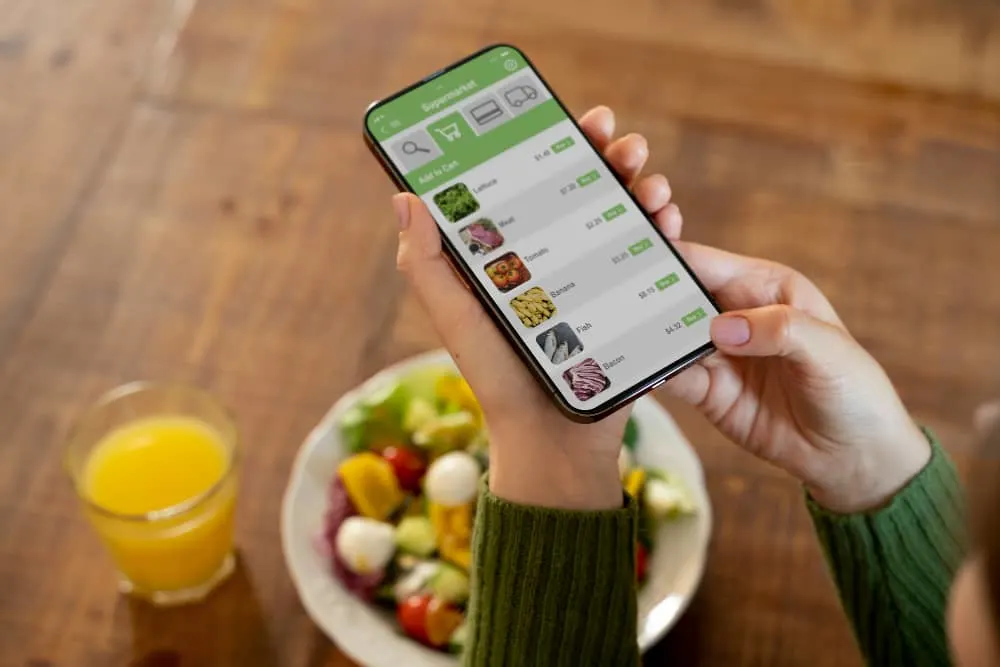
The traditional restaurant model is evolving. Many food providers now operate without dine-in areas—offering only delivery via apps. AI plays a central role in managing these operations, often referred to as ghost kitchens or cloud kitchens.
AI supports these kitchens by:
- Analyzing customer demand in specific neighborhoods
- Suggesting popular cuisines and dishes
- Forecasting delivery trends
Without physical foot traffic, data becomes the new compass. AI guides everything from menu design to promotional timing.
8. Nutrition Guidance and Wellness Support
As people grow more health-conscious, food apps are evolving to support their wellness journeys. AI enables meal planning apps to provide personalized dietary advice based on activity levels, health conditions, and even sleep patterns.
These tools help users:
- Track calories and nutrients
- Receive reminders for hydration or meal timing
- Get alerts for foods that conflict with dietary restrictions
Over time, AI models adapt to changes in behavior or goals, offering dynamic health guidance instead of rigid plans.
9. AI-Generated Recipes and Meal Ideas
Have leftover ingredients and no clue what to make? AI recipe generators can help. By analyzing ingredient compatibility, nutritional value, and cooking techniques, these tools suggest creative, often unexpected meal ideas.
AI-generated recipes can be:
- Based on available ingredients
- Adapted for allergies or preferences
- Balanced for health or energy needs
This promotes food exploration and reduces waste—turning yesterday’s scraps into today’s inspiration.
10. Real-Time Feedback and Sentiment Analysis
To improve food offerings, businesses need to listen—and AI helps them do it better. By scanning app reviews, survey responses, and even social media chatter, AI tools identify trends in customer sentiment.
This enables rapid response to:
- Common complaints (e.g., packaging, portion size)
- Emerging preferences (e.g., spice levels, vegan options)
- Local tastes or cultural shifts
In turn, apps can suggest changes to menus, policies, or customer service in real time.
11. Fraud Prevention and Transaction Security
Mobile apps in the F&B space handle millions of transactions every day. AI enhances security by identifying unusual behavior and blocking suspicious activities.
Common security features include:
- Behavioral authentication (e.g., typing speed or location patterns)
- Detection of unauthorized access
- Encrypted payment verification
These systems offer protection without slowing down the user experience, making transactions fast and safe.
A Cultural Shift, Not Just a Technological One
Most discussions around AI in food apps focus on convenience, speed, and efficiency. But something deeper is unfolding—AI is quietly reshaping the culture of food.
Think about it:
- People are outsourcing meal planning to machines.
- Discovery of new foods is guided by algorithms.
- Emotional eating is being replaced by predictive eating.
While AI can help us eat smarter and more sustainably, it can also risk flattening food diversity. If everyone is being fed what they’re “most likely” to enjoy, could we miss out on new flavors, cultural experiences, or the joy of surprise?
There’s beauty in randomness, in trying something you never thought you’d like. Food, after all, is not just fuel—it’s memory, identity, tradition, and art.
Frequently Asked Questions (FAQs)
Q1: How does AI know what food I want?
AI uses data such as past orders, browsing habits, time of day, and dietary preferences to build a personalized profile that helps predict your cravings.
Q2: Can AI help me eat healthier?
Yes. AI-enabled apps can guide you with personalized nutrition tracking, meal suggestions based on goals, and alerts to help you stay on track.
Q3: Is AI replacing human workers in the food industry?
Not entirely. AI handles repetitive or data-heavy tasks, allowing human staff to focus on creativity, quality, and customer service.
Q4: Are AI food apps safe to use?
Most apps use encrypted transactions and AI-powered fraud detection. However, it’s still wise to use trusted platforms and review privacy settings.
Q5: Can AI help reduce food waste at home?
Absolutely. AI can track what you have in your pantry, suggest meals using those items, and remind you before food expires.
Final Thoughts: Serving the Future
AI isn’t here to take over your kitchen—it’s here to help you use it better. It personalizes what you eat, helps businesses thrive, and encourages healthier and more sustainable food practices. But like any powerful tool, its impact depends on how we use it.
Let’s embrace AI as an assistant, not a replacement—one that enhances, not dictates, our relationship with food. Because no matter how smart our devices become, the joy of food will always be deeply human.