

Europeans are purchasing and discarding more clothing, footwear, and household textiles than ever before, exerting significant pressure on the environment and climate. According to a European Environment Agency (EEA) briefing released on March 26, 2025, the average EU citizen bought 19 kilograms (kg) of clothing, footwear, and household textiles in 2022, an increase from 17 kg in 2019. This upward trend in consumption appears to have continued into 2025, with retail sales data indicating sustained growth in the apparel sector during the second quarter of the year.
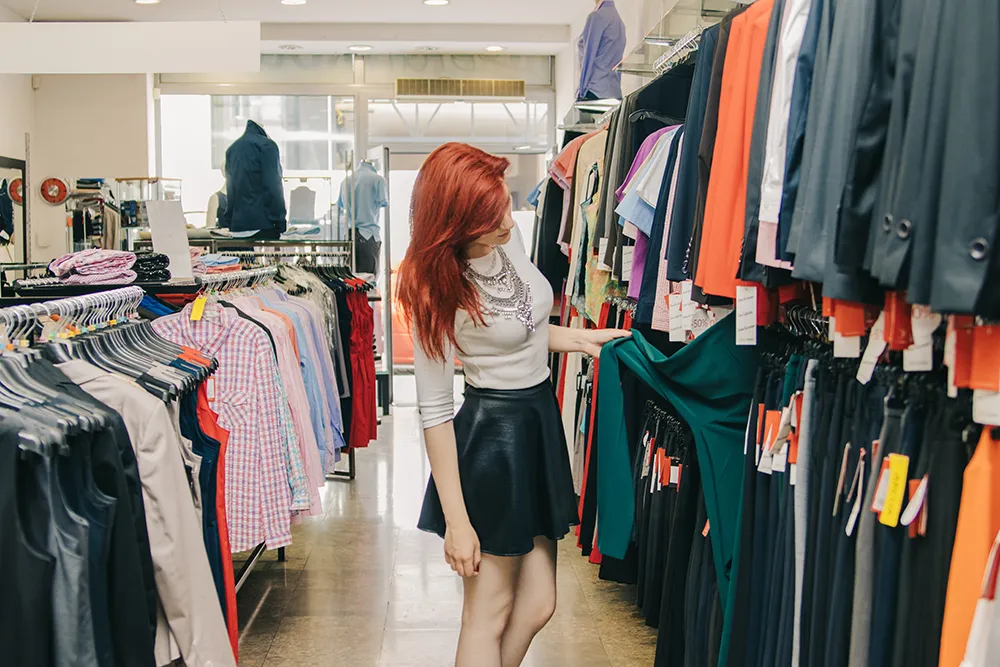
Rising Textile Consumption
The EEA briefing, titled Circularity of the EU Textiles Value Chain in Numbers, reported that per capita textile consumption in the EU reached 19 kg in 2022, equivalent to filling a large suitcase per person annually. This figure included 8 kg of clothing, 7 kg of household textiles, and 4 kg of footwear. The rise from 17 kg in 2019 was attributed to the growth of fast fashion, increased online shopping, and the influence of social media influencers promoting new styles. These factors have made textiles more accessible and affordable, but they have also fueled overconsumption.
Recent data from Eurostat indicates that retail trade volumes in the EU increased by 2.8% in April 2025 compared to April 2024, reflecting continued consumer spending growth. While specific textile consumption data for the period from April 25 to June 25, 2025, is unavailable, industry reports provide insights into apparel market trends. For instance, a report from Just Style on July 7, 2025, noted that fashion sales outperformed other retail sectors in June 2025, driven by strong demand for summer apparel. Additionally, Statista projects that the European apparel market will grow by 2.08% annually from 2025 to 2029, reaching a market volume of US$540.70 billion by 2029. These trends suggest that textile consumption in the EU likely remained high or increased slightly during the second quarter of 2025.
| Year | Per Capita Textile Consumption (kg) | Notes |
|---|---|---|
| 2019 | 17 kg | Baseline consumption of clothing, footwear, and household textiles |
| 2022 | 19 kg | Increased consumption, driven by fast fashion and online shopping |
| 2025 | Likely ≥ 19 kg | Estimated based on retail sales growth and apparel market trends |
Environmental and Climate Impacts
The production and consumption of textiles place significant pressure on the environment and climate. The EEA briefing highlighted that textiles rank as the fifth largest contributor to environmental and climate pressures among 12 household consumption categories in the EU, following food, housing, mobility, and household goods. Key impacts include:
- Raw Material Use: The textile sector consumes approximately 1.3 tonnes of raw materials per person annually.
- Water Consumption: Textile production used an estimated 79 billion cubic meters of water globally in 2015, with a single cotton t-shirt requiring 2,700 liters of fresh water.
- Greenhouse Gas Emissions: In 2022, the supply chain supporting EU textile consumption generated 159 million tonnes of CO₂ equivalent, or 355 kg per person.
- Chemical and Microplastic Pollution: The use and washing of synthetic textiles contribute to chemical pollution and microplastic release into waterways.
These impacts underscore the unsustainability of the current linear model of textile production and consumption, which follows a “take-make-waste” approach. The EEA emphasizes the need for a systemic shift toward a circular economy, where textiles are designed for longevity, reuse, and recycling.
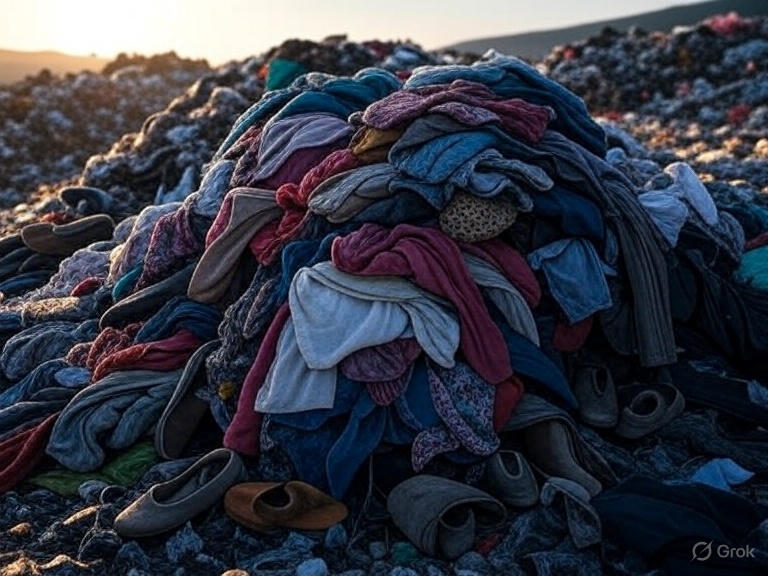
Textile Waste and Exports
In 2022, EU Member States generated approximately 6.94 million tonnes of textile waste, equivalent to 16 kg per person. Of this, 85% was not collected separately and ended up in mixed household waste, destined for landfills or incineration. The implementation of the EU’s Waste Framework Directive, which mandates separate textile waste collection starting in 2025, is expected to improve capture rates and facilitate reuse and recycling. However, as of 2022, only 15% of textile waste was collected separately, indicating significant room for improvement.
The export of used textiles from the EU has also risen sharply, nearly tripling from 550,000 tonnes in 2000 to 1.4 million tonnes in 2023. While these exports are intended for reuse or recycling, studies reveal that a significant portion is landfilled or incinerated in recipient countries, primarily in Africa and Asia. This complex trade pattern raises concerns about environmental justice and the need for better oversight of textile waste exports.
| Metric | 2010 | 2022 |
|---|---|---|
| Textile Waste Generated (million tonnes) | – | 6.94 |
| Per Capita Waste (kg) | – | 16 |
| Landfilled (% of total waste) | 21% | 12% |
| Incinerated (% of total waste) | 10% | 14% |
| Exported Used Textiles (million tonnes) | 0.55 | 1.4 |
Fast Fashion and Online Shopping
The rise of fast fashion, characterized by inexpensive clothing produced rapidly to meet fleeting trends, has been a major driver of increased textile consumption. The combination of low production costs for synthetic textiles, online shopping platforms, and social media marketing has made new styles more accessible than ever. However, this model encourages overconsumption and short product lifecycles, exacerbating environmental pressures. Digital technologies, such as 3D printing, offer potential to reduce production waste, but they also risk further lowering costs and increasing consumption if not paired with sustainable practices.
EU Policy and Circular Economy Initiatives
The EU is actively addressing the challenges posed by textile consumption through its textiles strategy, which aims to make the sector more circular and sustainable. Key initiatives include:
- Waste Framework Directive (2025): Mandates separate collection systems for textile waste to increase reuse and recycling rates.
- Ecodesign Regulation (2024): Establishes requirements for sustainable product design to enhance durability and recyclability.
- Green Claims Directive (Proposed 2023): Aims to prevent false sustainability claims by brands, promoting transparency for consumers.
These policies, combined with innovations in circular business models, such as upcycling and rental services, are critical steps toward reducing the environmental footprint of textiles. The EEA’s Circularity Metrics Lab continues to monitor progress toward these goals.
Consumer and Industry Roles
Achieving a circular textile economy requires collaboration among policymakers, industry stakeholders, and consumers. Consumers can play a role by choosing sustainable brands, repairing and reusing clothing, and supporting secondhand markets, which are projected to grow by US$2.33 billion in 2025. Industry players are encouraged to adopt circular design principles, invest in recycling technologies, and prioritize sustainable materials, such as recycled polyester, which accounted for only 14% of polyester production in 2022 despite ambitious targets.
Conclusion
The continued rise in textile consumption in the EU, likely exceeding 19 kg per person in 2025, underscores the urgent need for sustainable practices. While retail trends indicate strong apparel sales in the second quarter of 2025, the environmental and climate impacts of this consumption remain significant. The EU’s policy measures, including mandatory waste collection and ecodesign requirements, offer a pathway toward a more circular economy. However, success depends on collective action from all stakeholders to shift away from fast fashion and embrace sustainable, long-lasting textile solutions.







2 Comments
[…] Explore More- Consumption of Clothing, Footwear, and Other Textiles in the EU Continues to Rise in 2025 […]
[…] Explore More- Consumption of Clothing, Footwear, and Other Textiles in the EU Continues to Rise in 2025 […]