How to Choose the Right Pet Gate for Your Home: A Complete Buying Guide

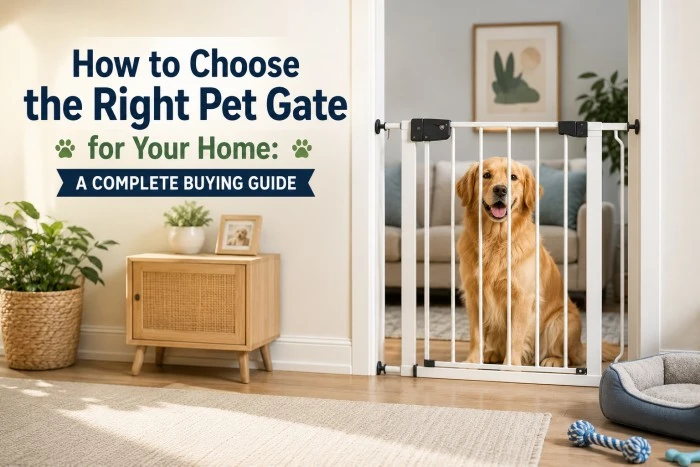
Bringing a pet into your home often means making adjustments to keep both your furry companion and your living space safe. Whether you have a playful puppy, a curious cat, or an energetic older dog, pet gates can be an essential tool for creating boundaries. They help restrict access to certain rooms, protect pets from hazards, and make training easier.
However, with so many options available, choosing the right pet gate can feel overwhelming. From size and material to placement and design, several factors should be considered before making a purchase. A well-chosen pet gate should not only provide security but also fit naturally into your home and daily routine.
Understand Why You Need a Pet Gate
Before buying a pet gate, it’s important to identify its main purpose. Different households have different needs, and the right gate depends on how you plan to use it.
Some common reasons include:
- Keeping pets away from staircases
- Blocking access to kitchens or bedrooms
- Creating a safe play area
- Helping with house training
- Separating multiple pets when necessary
Understanding your specific goal will narrow your options and make the selection process easier.
Measure the Space Carefully
One of the most important steps in choosing a pet gate is measuring the area where it will be installed. Gates come in various widths and heights, so accurate measurements are essential. A gate that is too small may leave gaps, while one that is too large may not fit securely. Height is equally important, especially if you have a larger dog or a pet that likes to jump. For wider openings such as hallways or open-plan spaces, expandable gates can offer greater flexibility.
Choose the Right Type of Gate
Pet gates come in different styles, each suited for specific situations. Pressure-mounted gates are easy to install and ideal for temporary use. They work well for doorways and rooms where drilling into walls is not preferred. Hardware-mounted gates offer greater stability and are best for high-risk areas like staircases. These are fixed directly into the wall and provide stronger support. Freestanding gates are portable and easy to move, making them useful for flexible room arrangements. However, they may not be suitable for strong or highly active pets. Choosing the right type depends on both your home layout and your pet’s behavior.
Consider the Material
The material of a pet gate affects durability, appearance, and maintenance. Common materials include wood, metal, and plastic. Wooden gates often blend well with home décor and provide a classic look. Metal gates tend to be more durable and better for larger or stronger pets. Plastic gates are lightweight and easy to clean, making them a practical choice for smaller animals. Your choice should balance function with the style of your home.
Think About Your Pet’s Size and Personality
Not all pets have the same behavior, so their size and energy level should influence your decision. A small cat may need a shorter gate, while a large dog may require a taller and stronger model. If your pet likes to chew, choosing a durable material becomes even more important. For pets that tend to jump, taller gates with minimal footholds can prevent escape. Considering your pet’s habits will help you invest in a gate that lasts longer and works effectively. Many pet owners explore online marketplaces like etsy for custom-made or decorative pet gates that combine functionality with home aesthetics. Unique handcrafted options available on etsy can be especially appealing for homeowners looking for personalized designs that match their interiors.
Look for Ease of Use
A pet gate should not make daily life inconvenient. Many modern designs include walk-through doors, allowing humans to pass easily without removing the gate each time. This feature is especially useful for high-traffic areas like kitchens or hallways. One-handed opening systems can also be helpful for busy households or parents carrying items. Ease of use ensures the gate becomes a practical part of your routine rather than a daily frustration.
Safety Features Matter
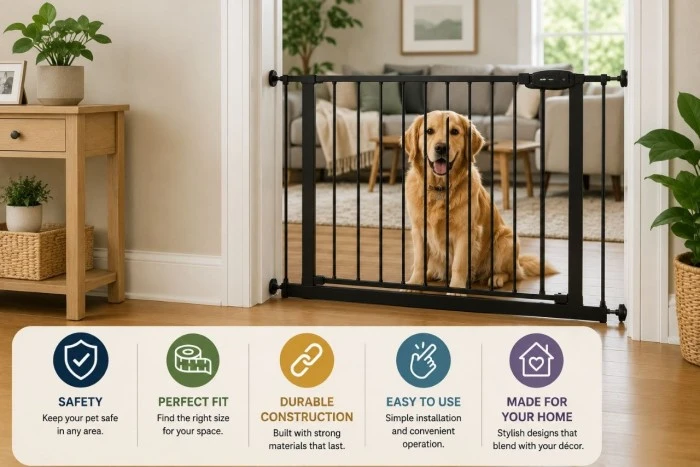
Safety should always be the top priority when selecting a pet gate. Look for features such as secure locking mechanisms, smooth edges, and sturdy construction. Avoid gates with large gaps that could trap a pet’s head or paws. Stability is especially important for energetic pets that may push or jump against the barrier. A good pet gate should feel solid and reliable after installation.
Match the Gate to Your Home Style
While functionality comes first, appearance also matters—especially if the gate will be visible in your living space every day. Many brands now offer stylish designs in modern finishes, natural wood tones, or minimalist metal frames. Choosing a gate that complements your décor can make it feel less intrusive. This is particularly important for open-concept homes where the gate becomes part of the room’s visual layout.
Conclusion
Choosing the right pet gate involves more than simply picking the first option you see. By considering your pet’s size, behavior, your home’s layout, and the gate’s material and safety features, you can find a solution that keeps your pet secure while maintaining convenience and style. A well-chosen pet gate creates a safer environment for everyone and helps make daily life with pets easier, more organized, and stress-free.