What to Look for When Buying a Long-Range E-Bike for Weekend Adventures

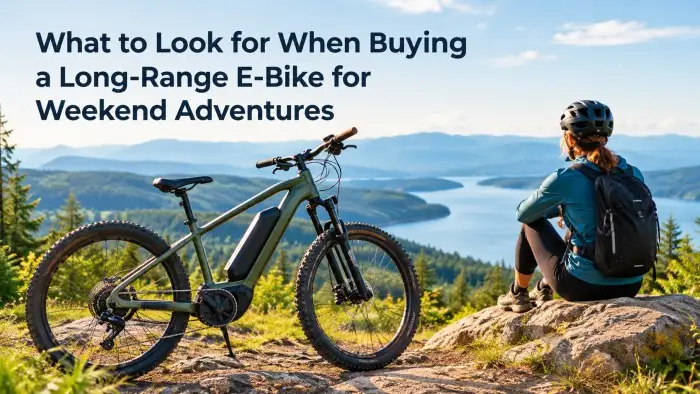
A weekend ride is much more enjoyable when you do not have to constantly worry about running out of battery. A long-range e-bike can make longer recreational trips, scenic routes, and day-long adventures more convenient by providing electric assistance over greater distances. However, range is only one factor to consider. Battery capacity, motor performance, comfort, charging options, tires, storage, and overall build quality can all influence whether an e-bike is suitable for extended rides.
Understand What “Long Range” Really Means
Manufacturers often advertise an estimated maximum range, but real-world performance can vary considerably. Rider weight, terrain, speed, weather, tire pressure, riding mode, and how frequently you use pedal assistance can all affect battery consumption.
Before buying, think about the distance you realistically expect to cover on a typical weekend. If your planned routes include hills or rough terrain, you may want additional battery capacity rather than choosing a model based solely on its advertised maximum distance. A larger battery generally provides more stored energy, but it can also add weight. Finding the right balance is important if you expect to pedal without assistance at certain points.
Check the Battery Capacity
Battery capacity is one of the most important specifications for a long-distance e-bike. It is commonly measured in watt-hours (Wh), which provides an indication of how much energy the battery can store. A higher Wh rating can potentially support longer rides, although battery capacity should not be considered a guaranteed distance figure.
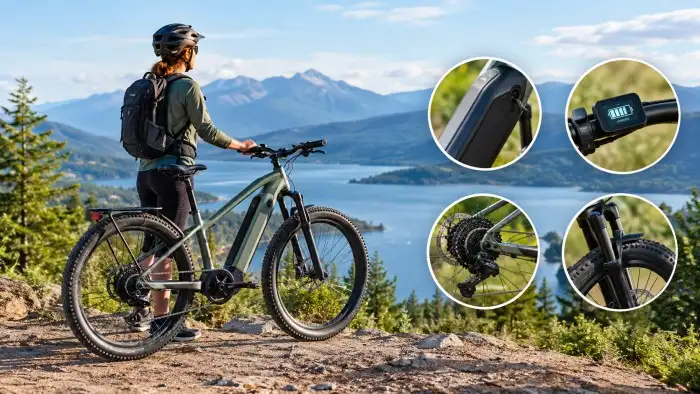
Two e-bikes with similar battery capacities may deliver different real-world ranges because of differences in motor efficiency, weight, tires, and riding systems. Also check whether the battery is removable. A removable battery can make charging more convenient, particularly if you cannot easily bring the entire bike indoors.
Consider Motor Performance
The motor affects how an e-bike handles hills, acceleration, and varying terrain. If your weekend adventures include steep roads, trails, or frequent elevation changes, look for a motor system capable of providing suitable assistance for those conditions. Pay attention to the way the motor delivers power rather than focusing only on a headline wattage figure. Smooth assistance can make longer rides feel more natural and easier to control.
Think About Riding Position and Comfort
A long weekend ride can expose uncomfortable contact points that may not be noticeable during a short test ride. Look for an adjustable seat, comfortable handlebars, and a frame geometry that allows a natural riding position. Suspension can also improve comfort on uneven roads or light trails by reducing the impact of bumps.
However, additional suspension components can add weight, so consider where you plan to ride most often. A comfortable saddle is equally important. Even an excellent battery will not make a long ride enjoyable if the riding position causes discomfort.
Choose the Right Tires
Tires have a significant effect on stability, grip, rolling resistance, and comfort. Wider tires can provide additional traction and cushioning on uneven surfaces, while narrower tires may feel more efficient on smooth pavement. Think about your usual weekend routes before choosing a tire style. If you mainly ride paved roads and bike paths, road-oriented tires may be appropriate. If you regularly encounter gravel or mixed surfaces, tires with a more versatile tread can provide additional confidence.
Look at the Braking System
Reliable brakes are particularly important when riding longer distances or descending hills. Hydraulic disc brakes generally offer strong stopping performance and can provide useful control in wet conditions, depending on the specific system. Whatever braking system you choose, check that it is appropriate for the bike’s weight and intended use. Regular inspection and maintenance are also important for safe riding.
Consider Storage and Carrying Capacity
Weekend adventures often involve carrying more than a daily commute. A bike with mounting points for racks, panniers, baskets, or other storage accessories can make longer trips easier. Think about what you normally carry, such as water, snacks, clothing layers, repair equipment, or personal belongings. Keeping weight distributed appropriately can help maintain stability and comfort.
Check Charging Options
Charging time can influence how practical an e-bike is for weekend travel. Look at the manufacturer’s stated charging time and consider whether the battery can be conveniently charged at home or at your destination. If you regularly take multi-day trips, you may also want to investigate whether carrying a spare compatible battery is practical and permitted for your intended travel arrangements.
Explore Models Designed for Everyday and Recreational Riding
A bike designed specifically for your intended use will generally provide a better overall experience than simply choosing the model with the largest battery. Actbestbike offers e-bike options designed around different riding needs, including models suitable for everyday transportation and recreational use.
When comparing models, consider the complete package rather than focusing on a single specification. Battery capacity, motor assistance, frame design, comfort, tires, brakes, and available accessories should all work together.
Check Weight and Portability
A long-range e-bike may be heavier because of its larger battery, stronger frame, or additional equipment. Consider how you will transport and store it. If you need to lift the bike onto a vehicle, carry it up stairs, or move it through a garage, weight becomes especially important. A slightly smaller battery may be worthwhile if it makes the bike significantly easier to handle.
Plan for Maintenance and Reliability
Long-distance riding places more use on tires, brakes, chains, drivetrain components, and electrical systems. Before purchasing, find out whether replacement parts and servicing are readily available. Also check the warranty terms for the battery, motor, and frame. Understanding what is covered can make ownership more predictable.
Find the Right Balance for Your Adventures
Choosing a long-range e-bike is about more than maximizing battery capacity. The ideal model should match the distances you ride, the terrain you encounter, your preferred riding position, and the amount of equipment you carry.
Start by estimating your typical weekend route, then compare battery capacity, motor performance, comfort, braking, tires, charging options, and weight. By evaluating the complete riding experience rather than one specification, you can choose an e-bike that is better suited to relaxed weekend exploration and longer adventures.