Are Night Driving Glasses Worth It? Features, Benefits, and Real-World Use Cases


Driving at night can be challenging due to reduced visibility, glare from headlights, and eye strain. Night driving glasses are marketed as a solution—but are they really worth it? Let’s break down their features, benefits, real-world use cases, and how brands like Zenni Optical fit into the picture.
What Are Night Driving Glasses?
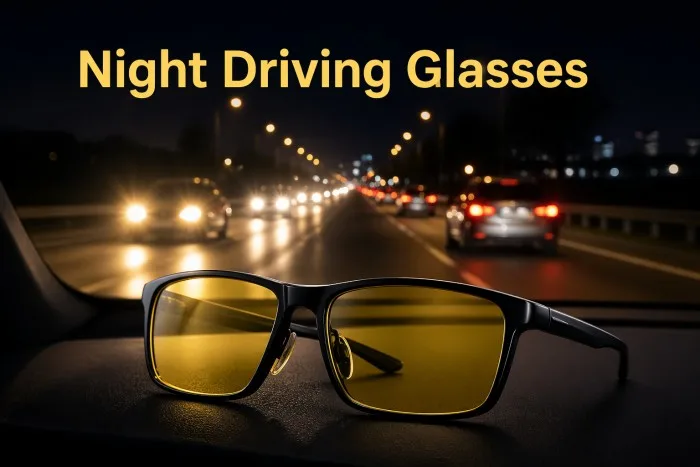
Night driving glasses are specially designed eyewear, usually featuring anti-reflective coatings and lightly tinted lenses. Their main goal is to reduce glare from oncoming headlights, streetlights, and reflective surfaces.
Most traditional versions use yellow or amber lenses to filter out blue light, which is known to cause glare and visual discomfort.
Modern versions, like those from Zenni Optical, go a step further by using advanced lens technologies instead of heavy tinting.
Key Features
- 1. Anti-Glare Coating: These coatings reduce reflections from bright lights, helping drivers see more clearly at night.
- 2. Light Filtering Technology: Some lenses filter specific wavelengths of light to reduce glare and improve contrast.
- 3. Enhanced Contrast: By reducing harsh light, objects on the road—like pedestrians or lane markings—may appear clearer.
- 4. UV and Scratch Protection: Many modern glasses include added durability and UV protection for all-day use.
Benefits of Night Driving Glasses
- Reduced Glare: Bright headlights and LED lights can be blinding. Night driving glasses aim to soften this effect, making driving more comfortable.
- Improved Comfort: Less glare often means less eye strain, especially during long drives.
- Better Visual Clarity (for some users): Certain users report clearer vision and improved contrast when wearing these glasses.
- Multi-Use Functionality: Some lenses can also be used during the day, enhancing colors and clarity in different lighting conditions.
Real-World Use Cases
- Daily Night Commuters: People who drive frequently at night—like office workers or delivery drivers—may benefit from reduced glare and improved comfort.
- Low-Light Conditions: Driving during rain, fog, or dusk can make visibility worse. These glasses may help manage scattered light.
- People Sensitive to Headlights: Drivers who struggle with bright LED headlights often find these glasses helpful for reducing discomfort.
The Reality: Do They Actually Work?
Here’s where things get interesting.
While many users feel more comfortable wearing night driving glasses, scientific studies show mixed results. Research suggests that yellow-tinted lenses may actually reduce the amount of light entering the eye, which can make it harder to see in dark conditions.
In fact, some tests found that they don’t significantly improve night vision or reaction times.
This means:
- They may improve comfort
- But not necessarily improve actual visibility or safety
How Zenni Optical Stands Out
Zenni Optical offers a more modern approach with its NeoContrast™ lens technology. Instead of heavy yellow tinting, these lenses:
- Filter specific wavelengths of light linked to glare
- Maintain a more natural, clear view
- Reduce brightness from LED headlights by filtering excess light
Additionally, Zenni provides:
- Affordable pricing
- Wide frame selection
- Optional coatings like blue light protection and anti-reflective layers
This makes them a popular option for budget-conscious buyers looking for functional eyewear.
Pros and Cons
👍 Pros
- Reduces glare and eye strain
- Affordable options available
- Comfortable for long drives
👎 Cons
- May not improve actual night vision
- Can reduce overall brightness
- Not a substitute for proper eye care
Final Verdict: Are They Worth It?
Night driving glasses are not a magic solution, but they can still be useful in specific situations. If your main problem is glare and eye fatigue, they may help improve comfort. However, if you’re expecting a dramatic improvement in night vision, the results may disappoint.
For better night driving overall, experts recommend:
- Keeping your prescription updated
- Using anti-reflective coatings
- Maintaining clean windshields and headlights
Bottom line:
Night driving glasses—especially modern options like those from Zenni Optical—can enhance comfort, but they are not a replacement for proper vision correction or safe driving habits.