How Compound Interest Turns Small Investments Into Long-Term Wealth

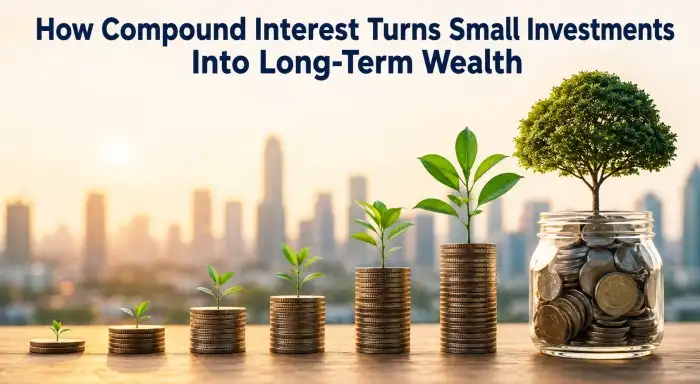
Many people believe that building wealth requires a large amount of money upfront. In reality, one of the most effective ways to grow wealth is through compound interest—a financial principle that allows even small investments to increase significantly over time. By consistently investing and giving your money enough time to grow, you can create a strong financial foundation for the future.
What Is Compound Interest?
Compound interest is the process of earning returns not only on your original investment but also on the returns that have already accumulated. Unlike simple interest, which is calculated only on the principal amount, compound interest generates growth on both the principal and previous earnings.
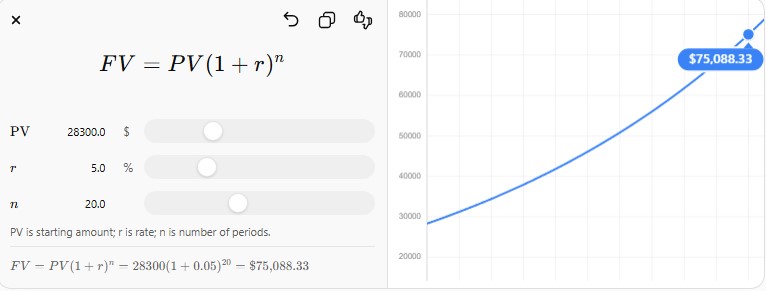
This continuous cycle of growth is often referred to as “earning interest on interest,” making compound interest one of the most powerful wealth-building tools available to investors.
Why Starting Small Matters
One of the greatest advantages of compound interest is that you do not need a large amount of money to get started. Even modest contributions can grow substantially over time when invested consistently.
For example, investing a small amount every month can eventually result in a sizeable portfolio because each contribution has the opportunity to generate returns and compound over the years. The key is consistency rather than the size of the initial investment.
The Power of Time
Time is the most important factor in compound growth. The longer your money remains invested, the more opportunities it has to compound.
Consider two investors:
- Investor A starts investing at age 25.
- Investor B starts investing at age 35.
Even if Investor B contributes more money each month, Investor A may still end up with a larger portfolio because of the additional years of compounding. This demonstrates why starting early can often be more valuable than investing larger amounts later in life.
How Regular Contributions Accelerate Growth
Making regular investments increases the effectiveness of compound interest. Each new contribution becomes part of the investment base, creating additional opportunities for future growth.
Benefits of regular investing include:
- Building disciplined financial habits
- Reducing the impact of market volatility through dollar-cost averaging
- Increasing the total amount available for compounding
- Accelerating long-term wealth accumulation
Whether you invest monthly, quarterly, or annually, consistency plays a major role in maximizing results.
Reinvesting Returns Is Essential
Compound growth works best when earnings remain invested. Dividends, interest payments, and capital gains can all be reinvested to generate additional returns.
When investors withdraw earnings too early, they interrupt the compounding process and reduce future growth potential.
Keeping returns invested allows the compounding effect to work at its full capacity.

Common Mistakes That Limit Compound Growth
Many investors unintentionally slow down their wealth-building journey by making avoidable mistakes:
- Waiting Too Long to Start: Delaying investments reduces the amount of time available for compounding.
- Withdrawing Funds Frequently: Removing money from investments decreases the principal available to generate future returns.
- Investing Inconsistently: Skipping contributions can significantly impact long-term results.
- Paying High Fees: Excessive management fees and investment costs can reduce overall returns and compound growth.
Investment Options That Benefit From Compounding
Several investment vehicles can help investors take advantage of compound interest:
- Dividend-paying stocks
- Exchange-traded funds (ETFs)
- Mutual funds
- Retirement accounts
- High-yield savings accounts
- Bonds and fixed-income investments
Many investors explore educational resources from The Motley Fool to better understand how these options can contribute to long-term wealth creation.
Building Wealth Through Patience
Compound interest is not a get-rich-quick strategy. Its true power becomes visible over years and decades rather than weeks or months. Investors who remain patient, stay invested, and continue contributing regularly often experience the greatest benefits.
Market fluctuations may occur along the way, but maintaining a long-term perspective allows compound growth to continue working in your favor.
Conclusion
Compound interest proves that building wealth does not require extraordinary income or large initial investments. Small, consistent contributions combined with patience and disciplined investing can produce remarkable results over time. The earlier you start and the longer you remain invested, the greater the potential for your money to grow. By understanding and leveraging the power of compound interest, even modest investments can become significant long-term wealth-building assets.