
E-Bike vs. Gravel Bike: Which One Matches Your Way of Living?


Choosing between an e-bike and a gravel bike isn’t just about specs—it’s about how you ride, where you ride, and what you want cycling to do for your life. Whether you’re commuting daily, exploring trails, or riding for fitness, understanding their differences will help you make a confident choice. Brands and retailers like actbestbike.com often highlight that the best bike is the one aligned with your lifestyle rather than the trendiest option. Let’s break down how these two popular bike categories compare.
What Is a Gravel Bike?
A gravel bike is a non-electric bicycle built for mixed surfaces like dirt roads, gravel paths, and pavement. It usually features drop handlebars, wide tires, and a geometry designed for stability and comfort on rough terrain.
Because it relies entirely on your pedaling power, it’s ideal for riders who enjoy physical challenge and adventure riding. However, its wide tires can make it slower on smooth roads compared to other bike types.
What Is an E-Bike?
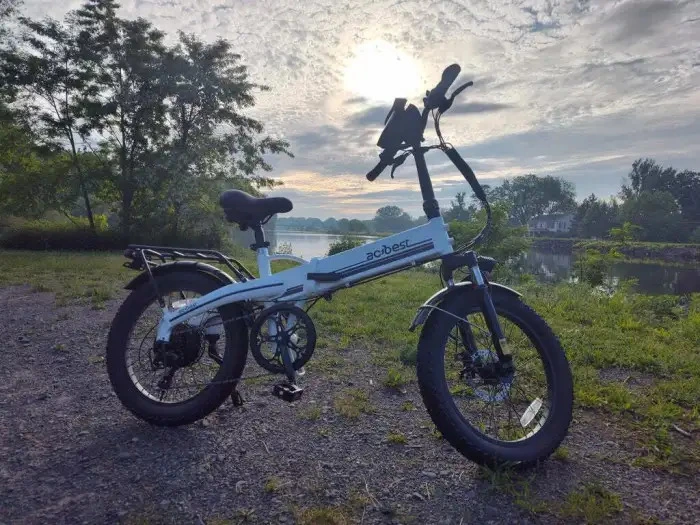
An e-bike is a bicycle equipped with an electric motor that assists pedaling. This motor reduces effort—especially on hills and long rides—making cycling accessible to more people. On steep inclines, e-bikes can reduce perceived exertion by about 52%, and gravel surfaces require around 40% less rider effort compared to traditional bikes.
They’re especially popular for commuting because they help riders travel faster and arrive without sweating.
Key Differences at a Glance
| Feature | E-Bike | Gravel Bike |
| Effort | Assisted pedaling | Fully manual |
| Speed | Faster acceleration | Depends on rider |
| Weight | Heavier (40–70 lbs) | Lighter (20–30 lbs) |
| Cost | $1,000–$5,000+ | $500–$3,000 |
| Terrain | Roads + light trails | Gravel, dirt, mixed terrain |
| Fitness | Moderate workout | High-intensity workout |
These differences mean your choice should depend on your daily needs rather than just performance numbers.
Lifestyle Match Guide
Choose an E-Bike if You:
- Commute long distances daily
- Want to save time and effort
- Prefer arriving fresh instead of sweaty
- Need assistance for hills or injuries
- Plan to replace some car trips
Although they cost more upfront, e-bikes can provide long-term savings by reducing transportation expenses.
Choose a Gravel Bike if You:
- Ride for fitness or endurance
- Enjoy exploring rough paths and trails
- Prefer low maintenance and simplicity
- Want a lighter bike that’s easy to carry
Gravel bikes generally cost less and have lower maintenance because they lack electrical components.
Fitness & Health Perspective
If your goal is pure exercise, gravel bikes have an edge because they demand more physical effort. Riders using traditional bikes showed 18% higher VO₂ max gains after 12 weeks compared to e-bike users.
However, e-bike riders tend to cycle more frequently due to reduced fatigue, which can balance out health benefits over time.
👉 Translation:
- Gravel bike = intense workouts
- E-bike = more frequent rides
Terrain and Adventure Facto
Gravel bikes excel on uneven terrain thanks to wide tires and stable frames designed for off-road riding.
E-bikes can also handle mixed surfaces, but extremely rough trails may be harder because of their heavier weight.
Interestingly, electric gravel bikes are emerging as a hybrid solution—combining motor assistance with adventure-ready geometry—offering versatility for commuting and weekend exploration.
Real Rider Opinions (Community Insight)
From cycling discussions online:
“Assist level one was enough power to cover its weight… I still got exercise.”
This reflects a common sentiment: e-bikes don’t eliminate exercise—they simply let you control how hard you work.
Final Verdict: Which One Fits You Best?
There’s no universal winner. Instead:
- Pick an e-bike if convenience, commuting, and comfort matter most.
- Pick a gravel bike if adventure, fitness, and simplicity matter most.
If you want the ultimate flexibility, consider a hybrid approach—many cyclists rotate between both types depending on the ride. In fact, studies show combining different bike styles can improve endurance metrics by about 23% compared to using just one