Dedicated IP Explained: What It Is, How It Works, and Who Really Needs One

Why a Dedicated IP Matters in 2026
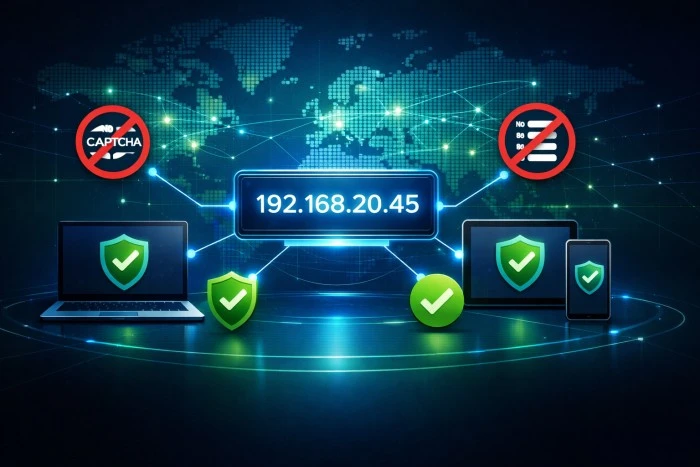
Hey, fellow Americans! In today’s world of remote work, online banking, and constant streaming, your IP address is like your digital fingerprint. But when you use a regular VPN, you share that fingerprint with thousands of others—which can cause headaches like CAPTCHAs, bank blocks, and slower connections. That’s where a dedicated IP comes in. It’s your own private, unchanging IP address that only you control.
In 2026, with cyber threats rising and more people working from home, understanding dedicated IPs can save you time, frustration, and even money. This guide breaks it down simply—what it is, how it works, and who actually needs one—so you can decide if it’s right for your US lifestyle.
What Exactly Is a Dedicated IP?
A dedicated IP (also called a static or exclusive IP) is a unique internet address assigned exclusively to you by a VPN provider. Unlike a shared VPN IP—which hundreds or thousands of users rotate through—a dedicated IP is yours alone for as long as you keep the subscription. It stays the same every time you connect, giving you a consistent online identity.
Think of it like having your own private mailbox instead of sharing one with the whole neighborhood. In the US, where services like banks, streaming platforms, and corporate networks often flag or block shared IPs, this exclusivity makes all the difference. It’s still fully encrypted and routed through a secure VPN server, so your real location and activity stay hidden.
How a Dedicated IP Actually Works
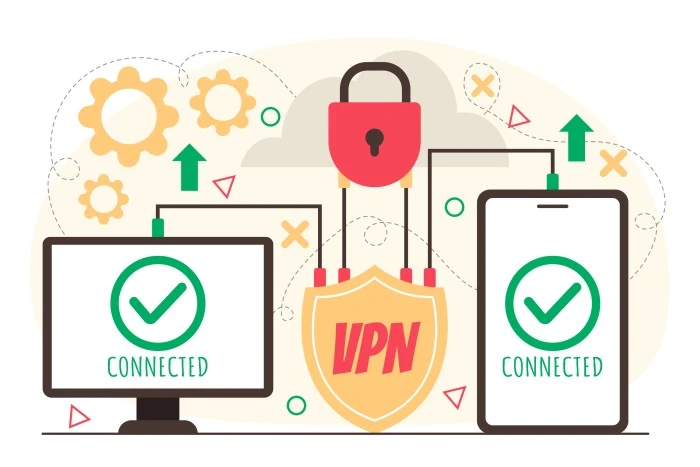
Here’s the simple tech behind it: When you connect to a VPN with a dedicated IP option, the provider routes your traffic through one specific server and IP address reserved just for your account. Your real IP stays hidden, but websites and services see only your dedicated IP. Because it never changes and isn’t shared, services recognize it as “trusted” over time.
Setup is easy—choose a location (often in the US or Europe), pay the small add-on fee, and connect like normal. No extra apps or complicated configs needed. The encryption stays top-tier (AES-256), so privacy isn’t sacrificed. In 2026, this technology has become faster and more reliable, with minimal speed loss compared to regular VPNs.
Key Benefits for Everyday American Users
A dedicated IP solves real US pain points:
- Skip Annoying CAPTCHAs & Blocks – Banks and shopping sites stop flagging you as suspicious.
- Stable Remote Work Access – Companies can safely allowlist your IP for secure logins without extra hassle.
- Better Streaming & Gaming – Consistent IP means fewer geo-block issues and smoother connections.
- Improved Online Reputation – Your IP won’t get tainted by other users’ spam or illegal activity.
- Easier File Sharing & Servers – Run a small home server or access NAS reliably from anywhere. Most users notice fewer interruptions and faster troubleshooting—huge wins for busy professionals and small business owners across the country.
Who Really Needs a Dedicated IP in 2026?
Not everyone needs one, but certain groups benefit hugely:
- Remote Workers & Business Owners – Need reliable access to corporate networks or client portals without constant verification.
- Frequent Online Bankers & Shoppers – Avoid fraud alerts that lock accounts when using shared VPN IPs.
- Content Creators & Streamers – Maintain consistent viewer locations and avoid platform restrictions. Gamers & Crypto Traders – Reduce lag and avoid IP bans on exchanges or game servers.
- Small Business Operators – Run secure remote access or e-commerce tools without shared-IP headaches. If you rarely use a VPN or don’t mind occasional CAPTCHAs, a standard VPN is probably enough. But for anyone tired of “prove you’re human” loops or access issues, a dedicated IP is a smart upgrade.
Dedicated IP vs Regular Shared IP – Quick Comparison
Shared IP: Cheap, great for basic privacy, but shared with many users (risk of blocks). Dedicated IP: Slightly more expensive add-on, but exclusive, stable, and trusted by services. In 2026, with stricter security on banking and corporate systems, the dedicated option is becoming the preferred choice for serious users who want privacy without the drawbacks of shared networks.
How to Get a Dedicated IP
Most premium VPNs offer dedicated IPs as an affordable add-on. For example, services like NordVPN make it simple to purchase and activate in just a few clicks. Choose your preferred location, add it to your plan, and you’re ready to connect. Setup takes minutes, and you can use it on multiple devices. Prices typically range from $3–$10 extra per month—well worth it for the convenience and reliability.
Is a Dedicated IP Right for You?
A dedicated IP gives you the best of both worlds: full VPN privacy plus the stability and trust of a personal, unchanging address. In 2026’s fast-moving digital landscape, it’s no longer a luxury—it’s a practical tool for millions of Americans who value smooth, secure online experiences. If you’re tired of CAPTCHAs, bank blocks, or inconsistent connections, it might be exactly what you need. Take a look at your online habits today and see if a dedicated IP can simplify your digital life. Your future self (and your productivity) will thank you.