From Crunchy Biscuits to Creamy Snacks: Exploring Different Types of Cat Treats

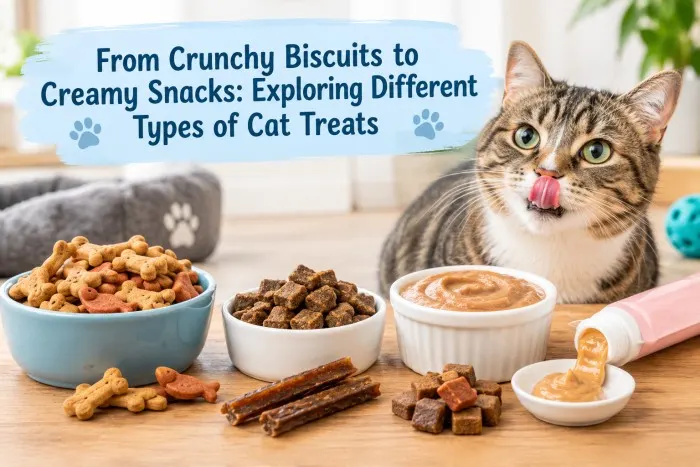
Cat treats can be a simple way to add variety to a cat’s routine, support positive interactions, or reward good behaviour. With so many textures, flavours, and formats available, choosing the right option can sometimes feel overwhelming. From crunchy biscuits to soft meat bites and creamy snacks, each type offers a different experience.
Crunchy Cat Biscuits
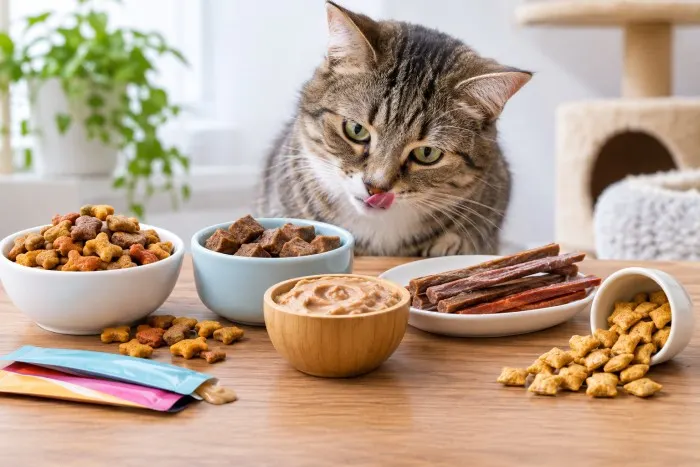
Crunchy biscuits are among the most familiar types of cat treats. Their firm texture can make them enjoyable for cats that like something to chew. They are available in different flavours and formulations, including options made with poultry, fish, or other meat ingredients.
These treats are generally easy to portion and store, making them convenient for occasional rewards. However, treats should remain a small part of a cat’s overall diet rather than replacing a complete and balanced food.
Soft and Meaty Treats
Soft treats can be particularly appealing to cats that prefer tender textures. Meaty sticks, small bites, and soft chews are commonly available in flavours such as chicken, beef, and fish.
Because they are easy to break into smaller portions, soft treats can be useful when rewarding a cat during handling, grooming, or training. Checking the feeding guidance on the packaging can help prevent excessive treat consumption.
Creamy and Lickable Treats
Creamy treats offer a completely different texture. These products are often served directly from a pouch or placed in a bowl, making them suitable for cats that enjoy licking rather than chewing.
Creamy snacks can also be used as occasional toppers for food. Their strong aromas and smooth consistency may make them attractive to cats with particular flavour or texture preferences.
Fish-Based Cat Treats
Fish-flavoured treats are another popular choice. Salmon, tuna, white fish, and other seafood-inspired flavours can provide variety for cats that enjoy fish.
When selecting fish-based treats, it is useful to check the ingredient list and nutritional information. Treats are intended to complement a cat’s normal meals, so portion size remains important regardless of flavour.
Dental-Style Treats
Some cat treats are designed with a particular texture or shape that encourages chewing. These are sometimes marketed for dental care and may be formulated to help reduce plaque or tartar buildup through mechanical chewing.
Such products should not automatically be considered a replacement for regular dental care. A cat’s oral health routine should be based on veterinary guidance where appropriate.
Cat Milk and Milk-Based Snacks
Cat milk is another option found alongside traditional treats. Unlike ordinary cow’s milk, products designed for cats may be formulated to be easier for them to digest. They can provide an occasional alternative to water or food-based treats.
As with other snacks, cat milk should be offered in moderation and should not replace fresh drinking water or a nutritionally complete diet.
Choosing Treats for Different Cats
Every cat has individual preferences. Age, activity level, dietary requirements, allergies, sensitivities, and existing health conditions can all affect which treats are appropriate.
For example, a kitten may have different nutritional needs from an adult cat, while an older cat may benefit from treats with a softer texture. Cats with dietary restrictions may require specially formulated options recommended by a veterinarian.
When browsing options from Ocado, reading product descriptions, ingredient lists, feeding instructions, and nutritional information can make it easier to compare different types of treats.
How Many Treats Should a Cat Have?
Treats should generally make up only a limited portion of a cat’s daily food intake. Giving too many can contribute to excessive calorie consumption and may interfere with a balanced diet.
Portion sizes should be adjusted according to the individual cat, the type of treat, and the feeding guidance provided by the manufacturer. Fresh water should also remain available throughout the day.
Making Treat Time More Meaningful
Treats do not have to be given randomly. They can become part of positive routines, interactive play, grooming sessions, or reward-based training. Offering small portions at appropriate moments can make treat time enjoyable without turning snacks into a major part of the daily diet.
Ultimately, the best treat is one that suits the cat’s preferences and nutritional needs while being offered responsibly. Exploring different textures—from crunchy biscuits and chewy bites to creamy snacks and cat milk—can provide variety while keeping everyday feeding routines balanced.