
Homeowners Insurance Exclusions: Common Risks Your Policy May Not Cover


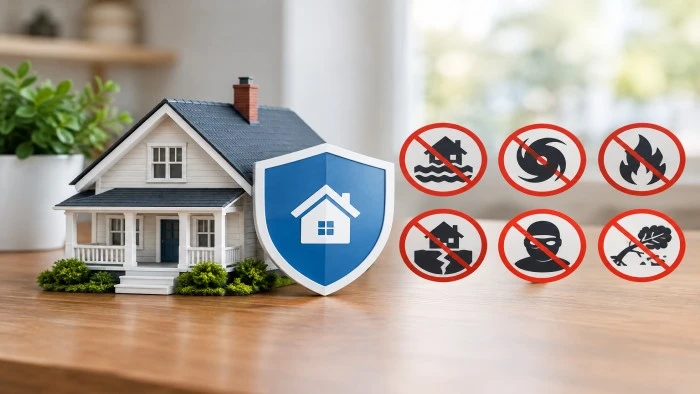
Many homeowners assume their policy protects against almost any form of damage or loss. In reality, standard homeowners insurance contains important exclusions—specific risks and situations that are not covered. Understanding these gaps helps you avoid unexpected out-of-pocket costs and decide whether additional coverage or separate policies are worth considering.
Flooding and Water-Related Damage
One of the most significant exclusions is flooding. Standard homeowners policies typically do not cover damage caused by overflowing rivers, storm surge, heavy rainfall that accumulates on the ground, or other forms of surface flooding. Protection against these events usually requires a separate flood insurance policy.
Other water-related issues can also fall outside coverage. Slow leaks that develop over time, sewer or drain backups, and certain types of foundation seepage are frequently excluded or limited unless you add specific endorsements. Sudden and accidental water damage from a burst pipe is often covered, but gradual problems generally are not.
Earthquakes and Earth Movement
Damage from earthquakes, landslides, mudslides, and other forms of earth movement is commonly excluded. Homeowners in higher-risk seismic areas often need a separate earthquake policy or endorsement. Even in lower-risk regions, it is worth confirming how the policy treats foundation movement and soil-related damage, as these can be costly to repair.
Wear and Tear, Neglect, and Poor Maintenance
Insurance is designed to cover sudden and accidental losses, not the normal aging of a home. Damage caused by wear and tear, deterioration, rust, corrosion, or lack of maintenance is typically excluded. For example, an old roof that simply reaches the end of its lifespan or a deck that collapses due to long-term rot may not be covered.
Insurers generally expect homeowners to perform reasonable upkeep. Documenting maintenance and addressing known issues promptly can help prevent claim disputes related to neglect.
Pest, Insect, and Animal Damage
Damage from termites, rodents, insects, birds, and other animals is usually not covered under a standard policy. These problems are viewed as preventable through proper maintenance and pest control. While the exclusion is common, the cost of repairing structural damage from infestations can be substantial, making prevention especially important.
Sewer Backup and Drain Issues
Many base policies exclude losses from water that backs up through sewers or drains. Because this risk is relatively common, insurers often offer an optional endorsement for sewer and drain backup coverage. Homeowners in older neighborhoods or areas with heavy rainfall often find this add-on worthwhile.
Nuclear Hazards, War, and Government Action
Policies almost universally exclude damage related to nuclear hazards, war, military action, and certain forms of government seizure or destruction. These events fall outside the scope of typical property insurance and are rarely available through standard residential markets.
Intentional Loss and Criminal Acts
Damage that you or a household member intentionally cause is not covered. Fraudulent claims and losses arising from criminal acts committed by the insured are also excluded. These provisions protect the integrity of the insurance system and are standard across the industry.
Business Activities and High-Value Items
If you run a business from your home, standard homeowners coverage often provides only limited protection for business equipment and liability. Significant business-related risks usually require a separate commercial policy or specific endorsements.
Certain personal belongings also face sub-limits. Jewelry, watches, cash, collectibles, and fine art often have coverage caps far below their actual value unless scheduled separately with higher limits. Lemonade offers homeowners policies that clearly outline covered perils and exclusions, helping customers understand where standard protection ends and optional coverage may be needed.
Ordinance or Law and Utility Failures
Some policies limit or exclude extra costs required to bring a repaired home up to current building codes. An “ordinance or law” endorsement can help cover these additional expenses after a covered loss. Power failures that originate off the property are another frequent exclusion. Damage caused by a widespread outage may not be covered unless it results from a peril that is otherwise included in the policy.
How to Address Common Exclusions
Start by reading your policy’s exclusions section and declarations page. Identify which risks are most relevant to your location and property type. Flood insurance, earthquake coverage, sewer-backup endorsements, scheduled personal property, and water-backup protection are among the most commonly added solutions.
Regular home maintenance, proper drainage, and documented upkeep reduce the chance that a claim will be denied due to neglect or gradual damage. Keeping an inventory of valuable items and reviewing coverage limits periodically also helps close gaps before a loss occurs.
Final Thoughts
Homeowners insurance provides essential financial protection, but it is not comprehensive against every possible risk. Floods, earthquakes, gradual water damage, pest infestations, sewer backups, and normal wear and tear are among the most common exclusions. By understanding what your policy leaves out and evaluating optional coverages or separate policies, you can make more informed decisions and reduce the likelihood of facing major unreimbursed expenses after a loss.