The Renter’s Insurance Playbook: Smart Habits That Actually Protect Your Belongings

Signing a lease covers the roof over your head. It doesn’t cover what’s under it. Your landlord’s building policy protects the structure itself, the walls, the wiring, the plumbing, but that protection stops the moment you walk through your own front door. Everything inside, from your laptop to your liability if a guest gets hurt, is on you.
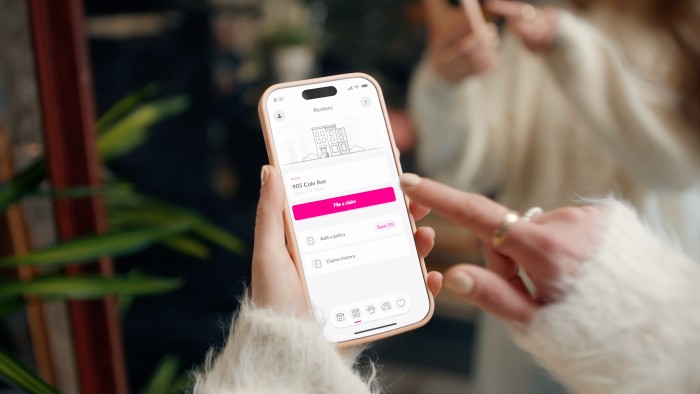
That’s the entire reason renters insurance exists. Digital-first providers like Lemonade have made getting a policy faster and less paperwork-heavy through their app, which is a genuine shift from how renters insurance used to work. But signing up quickly isn’t the same as using a policy well. The habits that actually protect you, and the mistakes that quietly leave gaps, matter more than how fast you got covered in the first place.
The Do’s: Habits That Strengthen Your Coverage
1. Build a home inventory before you ever need one
The single most useful thing a renter can do costs nothing and takes about ten minutes: walk through your apartment with your phone camera running. Open drawers, closets, and cabinets. Narrate what you’re looking at as you go. Save receipts for larger purchases in a cloud folder you can find quickly. If you ever need to file a claim, this record is what turns a stressful, memory-based process into a fast, well-supported one.
2. Ask specifically about limits on valuable items
Most standard policies place caps on payouts for certain categories, jewelry, cameras, fine art, musical instruments, even when your total coverage number sounds generous on paper. These sub-limits are easy to miss because they live in the fine print rather than the headline coverage amount. If you own anything valuable in one of these categories, it’s worth a direct conversation with your provider about what your specific policy actually covers.
3. Use your provider’s digital tools when something happens
Modern insurers increasingly rely on app-based claims with photo and video documentation instead of phone trees and mailed forms. Speaking clearly, sticking to the facts, and attaching documentation up front tends to move a claim along faster than a vague written summary submitted later.

4. Disclose your apartment’s safety features honestly
Deadbolts, smoke detectors, and building-wide alarm systems aren’t just there for your peace of mind, insurers factor them directly into how they assess risk. Rushing through these questions during signup, or leaving them blank, means your policy may not reflect information that’s actually relevant to your coverage and pricing.
5. Remember your coverage often travels with you
Personal property coverage typically follows your belongings, not just your apartment address. A laptop stolen from a coffee shop or a bag lost while traveling can often still fall under your policy, minus your deductible, though the specifics vary by provider and plan, so it’s worth confirming with your own policy documents.
The Don’ts: Mistakes That Leave Gaps
1. Don’t assume your roommate is automatically covered
A single renters policy typically protects the named policyholder and immediate family living in the unit, not roommates. Anyone else in the apartment generally needs their own separate policy for their individual belongings and liability to actually be protected.
2. Don’t confuse internal water damage with flooding
A pipe bursting inside a wall or an upstairs neighbor’s tub overflowing is usually treated as a covered event. Natural flooding or rising groundwater typically isn’t, under a standard policy. If you live somewhere flood-prone, that distinction is worth raising directly with a licensed agent rather than assuming either way.
3. Don’t wait for a disaster to build your inventory
Trying to remember everything you owned after a break-in or a fire almost always results in underreporting the loss. The ten minutes it takes to record a walkthrough video today is far easier than reconstructing a list from memory under stress later.
4. Don’t skip reading the fine print on deductibles and limits

Every policy sets its own deductible amounts and coverage caps, and these vary meaningfully by provider and plan. Rather than assuming a number based on what a friend has or what sounds standard, it’s worth confirming directly with your insurer or a licensed agent what actually applies to your specific policy.
5. Don’t assume switching or canceling a policy is a hassle
Some providers, particularly app-based ones, allow policyholders to manage, update, or cancel coverage directly without long-term contracts or complicated cancellation processes. It’s worth checking your specific provider’s terms rather than assuming you’re locked in for a full year regardless of your circumstances.
Quick Reference
| Habit | Why It Matters | What to Do |
| Home inventory | Speeds up claims, prevents underreporting | Record a video walkthrough; save receipts to the cloud |
| Check sub-limits | High-value items often have payout caps | Ask your provider what applies to jewelry, tech, and collectibles |
| Use digital claims tools | Photo and video documentation moves faster | Attach documentation up front, not after the fact |
| Disclose safety features | Insurers factor these into your policy | List deadbolts, alarms, and smoke detectors at signup |
| Hold separate roommate policies | Individual protection, not shared | Each unrelated adult should carry their own policy |
| Know your covered perils | Internal damage isn’t the same as flooding | Confirm specifics with your provider or a licensed agent |
The Bottom Line
Good renters insurance habits aren’t complicated, but they do take a little attention up front. Document what you own, understand where your coverage actually has limits, and know how to move quickly if something goes wrong. The technology behind today’s policies, apps, digital claims, faster sign-ups, has made the process easier to manage overall. What it hasn’t changed is the basic truth that the renter who takes ten minutes to prepare is always in a stronger position than the one who doesn’t.