
Best Time to Visit Cape Verde: Weather, Beaches, and Seasonal Travel Guide


Cape Verde, also known as Cabo Verde, is an Atlantic archipelago off the coast of West Africa that delivers reliable sunshine, striking volcanic landscapes, and some of the region’s finest beaches. With roughly 350 days of sunshine each year and consistently mild temperatures, the islands welcome visitors in every season. Still, understanding the climate patterns, beach conditions, and crowd levels helps travellers choose the ideal window for their priorities—whether pure relaxation, water sports, wildlife, or budget-friendly exploration.
Understanding Cape Verde’s Climate
Cape Verde’s climate is dry tropical and moderated by the Atlantic Ocean and the northeast trade winds. Temperatures remain remarkably stable, typically ranging from the low 20s°C in the coolest months to the high 20s°C at the warmest. Two main seasons define the year.
The dry season runs roughly from November through June. Rainfall is minimal or absent, humidity stays low, and the trade winds keep the air fresh. Daytime highs usually sit between 24°C and 28°C, with cooler nights that may call for a light layer in December to February. This period offers the most predictable beach weather and the clearest conditions for outdoor activities.
The short rainy season concentrates mainly in August and September, occasionally spilling into July or October. Showers are often brief and irregular; some years see very little rain at all, while others experience heavier downpours that can cause temporary flooding on steeper islands. Temperatures climb to 28–30°C or slightly higher, and humidity rises. The mountainous islands such as Santo Antão and Santiago become greener, while the flatter beach islands of Sal and Boa Vista remain relatively dry.
Peak Season for Beaches and Winter Sun
For classic beach holidays, December through April stands out as the sweet spot. Daytime temperatures hover comfortably in the mid-20s°C, rainfall is virtually nonexistent, and the trade winds prevent the air from feeling sticky. Sea temperatures around 22–24°C are pleasant for swimming, and the long sandy stretches of Santa Maria on Sal or the quieter shores of Boa Vista shine under consistent blue skies.
This window coincides with high demand from European travellers seeking winter sun, so flights and resorts fill quickly around Christmas, New Year, and February Carnival in Mindelo. Booking ahead is essential. The same period brings strong, reliable winds ideal for kitesurfing and windsurfing, especially on Sal and Boa Vista. Humpback whale watching also peaks between February and May as the animals breed in the warm waters.
Shoulder Seasons: Value and Balance
May, June, and the stretch from late March into April often deliver excellent value. Weather remains dry and warm, crowds thin after the holiday peaks, and accommodation rates soften. Sea temperatures begin to rise, and conditions stay favourable for swimming, diving, and island-hopping. These months suit travellers who want reliable sunshine without the highest prices or densest resort atmospheres.
October and early November mark another transitional period. The sea reaches its warmest levels (around 26°C), residual greenery from the rains lingers on the higher islands, and visitor numbers stay moderate until mid-December. Brief showers may still occur, but many days remain bright.
Summer and the Rainy Months
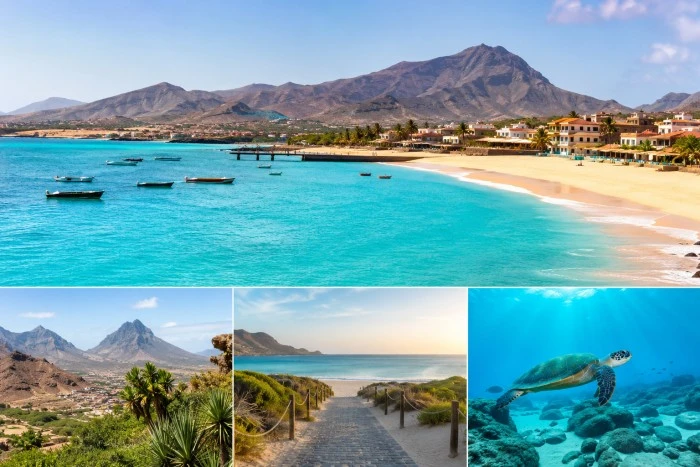
July through September brings the warmest weather and the year’s only meaningful rainfall. Humidity is higher and some boat excursions can be affected by rougher seas, yet this season offers distinct rewards. Loggerhead turtles nest on the beaches of Sal and Boa Vista from June to October, with peak activity in summer.
Landscapes on the volcanic and mountainous islands turn noticeably greener, and accommodation prices drop significantly—often 30 percent or more below peak rates. Travellers who prioritise wildlife, quieter resorts, or lower costs frequently find this period rewarding, provided they accept the possibility of short rain showers and warmer evenings.
Matching the Season to Your Interests
Beach-focused holidays and winter-sun escapes work best from November to June, with December–April offering the most consistent conditions. Water-sports enthusiasts targeting reliable wind should aim for November to April. Whale watchers favour February to May. Turtle nesting and lower prices draw visitors in summer. Hikers exploring Santo Antão or Fogo generally prefer the cooler, drier months of November to May for more comfortable trail conditions.
Across the archipelago the beach islands of Sal and Boa Vista remain the most accessible and developed for sun-and-sand holidays year-round, while Santiago, São Vicente, and Santo Antão reward those interested in culture, hiking, and music.
Practical Travel Tips
Cape Verde’s climate rarely produces extremes, so packing is straightforward: light clothing, sun protection, swimwear, and a light jacket for cooler evenings in winter. Inter-island flights and ferries run year-round but can be affected by wind or occasional weather in the rainy months; building flexibility into itineraries is wise. For convenient package options that include flights and hotels, many travellers turn to specialists such as onthebeach when planning their Cape Verde escape.
In short, there is no single “bad” month to visit Cape Verde. The dry season from November to June delivers the most reliable sunshine and beach conditions for the majority of travellers, while summer appeals to those seeking wildlife, greener scenery, and lower prices. Matching the season to personal priorities—weather consistency, activities, budget, or crowds—ensures a rewarding experience in this distinctive Atlantic archipelago.