FL-41 vs Blue-Light Glasses: Which Lens Type Is Better for Light Sensitivity

Finding Real Relief for Light Sensitivity
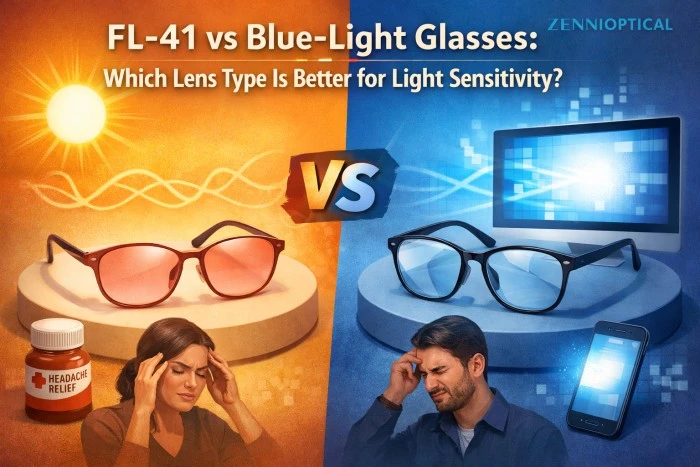
Hey folks, if bright screens, office lights, or sunlight trigger headaches, eye strain, or migraines, you’re not alone. Millions deal with light sensitivity every day, and choosing the right lenses can make a huge difference. FL-41 lenses and blue-light glasses are the two most popular options, but they work very differently. FL-41 lenses use a specific rose tint to block problem wavelengths that trigger migraines, while blue-light glasses focus on reducing general screen fatigue.
In 2026, busy professionals, parents, and students are comparing both to find the best fit. Here’s a clear breakdown of how they compare, their real benefits, and which one might work better for your daily routine.
What FL-41 Lenses Actually Do
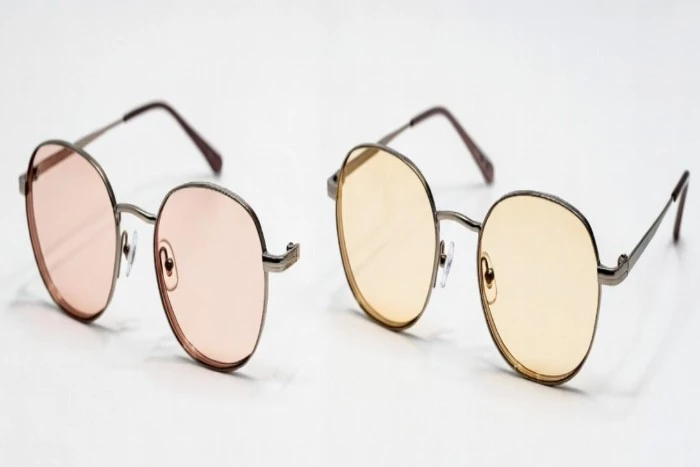
FL-41 lenses are specially tinted glasses designed to filter out the exact blue-green wavelengths (around 480–520 nm) that overstimulate the brain and trigger migraines and photophobia. The rose-pink tint is precise and subtle, allowing normal colors to stay natural while blocking the light that causes pain. Users often notice fewer migraine days, less eye fatigue under fluorescent lights, and calmer vision during long screen sessions. These lenses are especially helpful for people with chronic light sensitivity, office workers under harsh lighting, or anyone who gets headaches from bright environments. The effect is targeted and powerful, making them a favorite for those who need more than basic relief.
How Blue-Light Glasses Work
Blue-light glasses filter a broader range of blue wavelengths (mainly 415–455 nm) from screens, LEDs, and phones. They reduce digital eye strain, dryness, and sleep disruption by cutting the light that interferes with melatonin. Most have a slight yellow or clear tint and are great for evening screen time or all-day computer use. They help with tired eyes, blurred vision after long workdays, and better nighttime sleep. However, they are less effective against the specific migraine-triggering wavelengths that FL-41 targets. For general screen fatigue and daily digital life, they provide solid everyday comfort.
Key Differences: Spectrum, Tint, and Real Results
The biggest difference is precision. FL-41 lenses block a narrow, specific band of light proven to trigger migraines and photophobia, while blue-light glasses block a wider blue spectrum for general eye comfort. FL-41 has a noticeable rose tint that works indoors and outdoors; blue-light glasses are often nearly clear or lightly yellow and feel more everyday.
Studies and user feedback show FL-41 reduces migraine frequency more effectively, while blue-light glasses shine for reducing end-of-day eye strain and improving sleep. Neither is “better” overall — it depends on your main issue: chronic light-triggered headaches point to FL-41, while screen fatigue and sleep problems lean toward blue-light glasses.
Who Benefits Most from Each Type
Choose FL-41 if you get frequent migraines from lights, work under fluorescent bulbs, or feel overwhelmed by bright environments. These lenses are a game-changer for teachers, healthcare workers, and remote professionals who need reliable relief during the day. Go with blue-light glasses if your main problems are tired eyes after computer work, trouble falling asleep, or general digital strain. They’re perfect for students, gamers, and office workers who spend long hours in front of screens but don’t have severe photophobia. Many people even use both — FL-41 for bright days and blue-light for evenings — to cover every situation.
Practical Tips for Choosing and Using the Right Lenses
Start by tracking when light bothers you most. If it’s bright overhead lights or sunlight, try FL-41 first. If it’s mostly screens and evening use, begin with blue-light glasses. Look for options that fit your prescription and lifestyle — clip-ons, full frames, or photochromic versions that adapt to light changes. Wear them consistently for at least two weeks to feel the full benefit. Clean lenses daily and store them properly so the special tint lasts. Both types are lightweight and stylish enough for all-day wear, so comfort should never be an issue.
Real Results Users Are Seeing
People using FL-41 often report fewer migraines and calmer days under office lights. Blue-light glasses users say their eyes feel less tired after work and they fall asleep faster. Many combine both for complete coverage and notice big improvements in focus, mood, and overall comfort. The choice comes down to matching the lens to your specific triggers — and both are easy to try and adjust until you find the perfect fit.
Pick the Lens That Matches Your Needs
FL-41 lenses excel at blocking migraine-triggering light with precision, while blue-light glasses provide excellent everyday screen protection and sleep support. There’s no single winner — the right choice depends on whether your main issue is photophobia and headaches or digital fatigue. Try both and see what gives you the biggest relief. For quality options that fit any budget and prescription, check zennioptical. Clearer, more comfortable days are just one pair away.