What to Look for in a Commuter Electric Bike: Battery Range, Comfort, and Safety

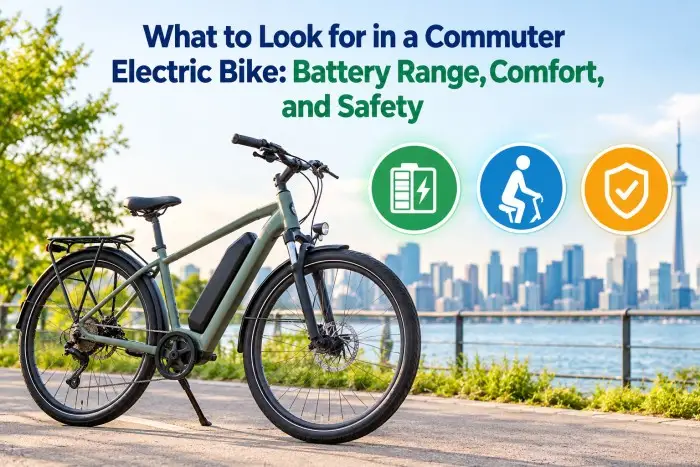
A reliable commuter electric bike can transform daily travel by cutting travel time, reducing effort on hills, and offering a practical alternative to cars or public transport. When selecting the right model, three factors stand out above the rest: battery range, rider comfort, and safety features. Focusing on these elements helps ensure the bike meets everyday demands without frequent compromises.
Battery Range: Matching Power to Your Daily Distance
Battery capacity determines how far you can travel on a single charge and how confidently you can handle unexpected detours or headwinds. Most urban commuters need a realistic range of 40 to 80 kilometers under mixed conditions, including stops, hills, and cargo. Manufacturers often list optimistic maximum ranges based on ideal conditions—light rider weight, flat terrain, and eco mode—so it is wiser to look at real-world estimates.
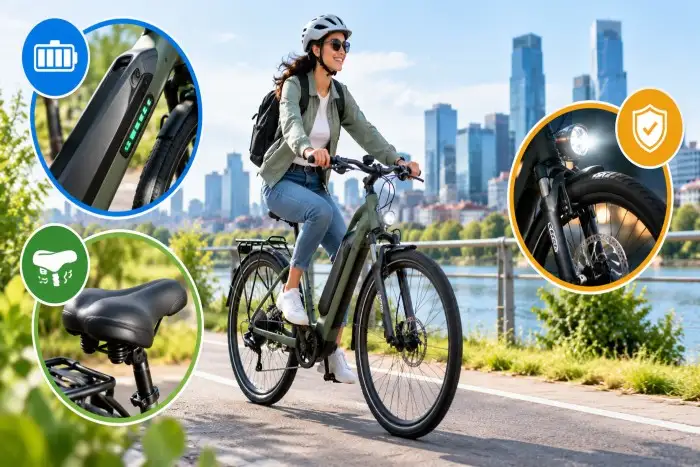
Key specifications include battery capacity measured in watt-hours (Wh). A 500 Wh battery typically supports solid daily use, while 700 Wh or higher suits longer routes or heavier loads. Removable batteries add convenience for indoor charging, especially in apartments. Check charging time as well; a full recharge in four to six hours fits most overnight routines. Consider whether the bike offers multiple assist levels so you can conserve power on flat stretches and increase support only when needed. Weather resistance and battery longevity also matter—look for systems rated for thousands of charge cycles and protected against rain.
Comfort: Staying Fresh for the Entire Ride
Comfort directly affects whether you arrive at work or home feeling ready rather than worn out. Frame geometry plays a major role. A step-through or slightly upright design reduces strain on the back and wrists compared with aggressive road-bike postures. Adjustable stem and seat height allow fine-tuning for different body sizes.
Suspension is another critical choice. Front suspension forks smooth out potholes and uneven pavement common in cities, while a suspension seat post further isolates the rider from road vibration. Wider tires, typically 40–50 mm, improve stability and cushioning without excessive rolling resistance. Pedal-assist sensors should feel natural; torque sensors generally provide smoother power delivery than basic cadence sensors. Additional comfort details include padded grips, a well-shaped saddle, and the option to add fenders and a rear rack for weather protection and light cargo. Test-riding different models remains the best way to judge how a bike feels over a realistic commute distance.
Safety Features: Protecting Yourself in Traffic
City riding involves traffic, limited visibility, and variable road conditions, so safety equipment is non-negotiable. Integrated lighting—bright front and rear LEDs powered by the main battery or a separate hub dynamo—ensures you remain visible from dawn to dusk. Reflective tire sidewalls or frame elements add passive visibility.
Braking performance is equally important. Hydraulic disc brakes offer consistent stopping power in wet and dry conditions and require less hand effort than mechanical systems. Look for bikes with responsive motor cut-off when brakes are applied. A quality frame and components rated for the combined weight of rider plus cargo provide structural reliability. Many modern models include built-in alarms or GPS tracking for theft deterrence. Helmets remain essential regardless of bike features, and high-visibility clothing or additional lights further reduce risk.
When evaluating options, brands such as actbestbike focus on balancing these three pillars—range, comfort, and safety—within practical price points suited to daily riders. Checking independent reviews and verifying local service support helps confirm long-term reliability.
Putting the Pieces Together
The strongest commuter electric bike combines sufficient battery capacity for your typical route with a comfortable riding position and robust safety equipment. Prioritize real-world range over marketing claims, insist on a geometry and contact points that suit your body, and never compromise on lighting and braking. Test rides, clear warranty terms, and accessible spare parts complete the decision process.
By concentrating on battery range, comfort, and safety, you select a machine that supports consistent, low-stress commuting rather than one that creates new frustrations. The right electric bike becomes a dependable daily partner, turning ordinary travel into a smoother, more enjoyable part of the day.