Are Affordable Electric Bikes Worth Buying? Benefits, Running Costs, and Everyday Uses

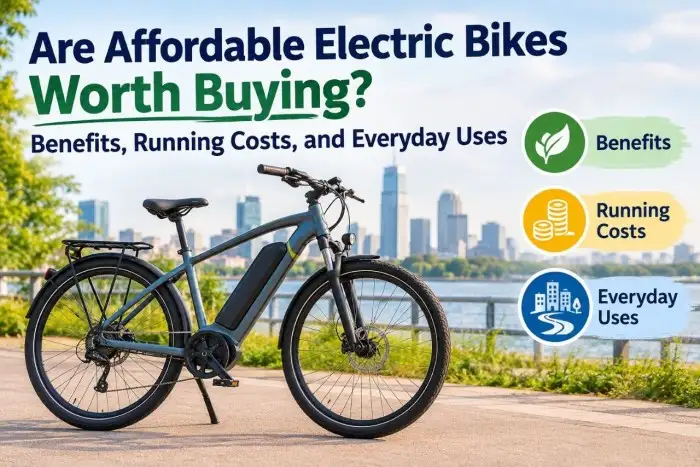
Choosing electric bikes can be a practical way to make daily travel more convenient without spending a fortune. Affordable models have become appealing to commuters, students, recreational riders, and people looking for alternatives to short car journeys. However, a low purchase price is only one part of the decision. Battery performance, maintenance requirements, riding comfort, and long-term running costs all influence whether an affordable electric bike offers good value for money.
What Makes an Electric Bike Affordable?
Affordable electric bikes generally focus on essential features rather than premium components or advanced technology. Depending on the model, they may include a modest-capacity battery, a practical motor, basic suspension, mechanical disc brakes, and straightforward controls.
A lower price does not automatically mean poor quality. Some budget-friendly models provide everything a rider needs for commuting, errands, and leisure rides. The important thing is to compare specifications, warranty coverage, safety features, and overall construction rather than choosing solely by price.
Before buying, consider how far you travel each day, the terrain you encounter, and whether you need accessories such as lights, mudguards, a rear rack, or a kickstand. Selecting a bike that suits your routine can prevent unnecessary spending on features you rarely use.
Benefits of Buying an Affordable Electric Bike
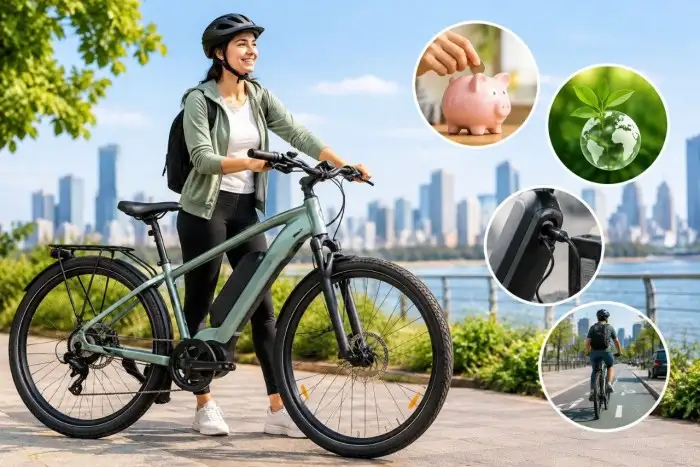
One of the biggest advantages is the assistance provided by the electric motor. Pedal assistance can make hills, headwinds, and longer journeys easier to manage. Riders can travel farther with less physical effort than they might experience on a conventional bicycle. Electric bikes can also make short trips more convenient. Travelling to nearby shops, visiting friends, or commuting to work may become easier when parking is limited or public transport connections are inconvenient.
Another benefit is flexibility. Many electric bikes allow riders to choose different assistance levels, helping them balance battery use with the amount of effort they want to contribute. Pedalling without assistance may also be possible, although the bike’s weight can affect how easy it feels. For people trying to reduce their reliance on cars for short journeys, an electric bike can provide a practical alternative while still offering opportunities for physical activity.
Understanding Running Costs
Electric bikes typically cost less to operate than cars for short everyday journeys, but the exact savings depend on local electricity prices, travel distance, maintenance, and the transport being replaced. Charging costs are often relatively low. To estimate them, multiply the battery’s energy capacity in kilowatt-hours by your electricity price per kilowatt-hour. For example, charging a 0.5 kWh battery at ₹8 per kWh would cost approximately ₹4 before accounting for charging losses. Actual costs vary by battery size, electricity rates, and charging efficiency.
Maintenance expenses may include tyres, brake pads, chains, drivetrain servicing, and occasional electrical checks. These parts experience wear depending on riding conditions and how frequently the bike is used. Battery replacement can be a more significant future expense. Battery lifespan depends on cell quality, charging habits, temperature, storage, and usage. Review replacement availability and warranty terms before purchasing, as a cheap bike can become less economical if essential components are difficult to source.
Everyday Uses for Budget Electric Bikes
Affordable electric bikes can serve several purposes beyond commuting. Office workers may use them for daily travel, while students can ride to classes or nearby activities. They can also be useful for grocery shopping, local errands, and relaxed weekend outings. Models equipped with suitable racks or baskets can make carrying everyday essentials easier. However, riders should check the manufacturer’s load limits and ensure luggage is securely attached.
For people who live in areas with heavy traffic, an electric bike may help avoid some road congestion on suitable routes. Travel time still depends on distance, road conditions, weather, and local cycling infrastructure. Before using an electric bike for regular commuting, consider safe parking, charging access, route quality, and local regulations governing electric bicycles.
How to Choose a Reliable Budget Model
When comparing affordable options, start with battery range. Manufacturers’ advertised ranges are usually estimates and may differ from real-world results because of rider weight, hills, temperature, tyre pressure, and assistance settings. Choose a bike with enough practical range for your regular trips, allowing some reserve for unexpected journeys.
Next, examine the brakes, frame construction, tyre quality, lighting, and riding position. Reliable braking and a comfortable fit are essential for everyday use. Check whether the battery and charger meet applicable safety standards and whether replacement parts are readily available.
Compare warranty coverage for the frame, motor, battery, and electrical components. Brands such as actbestbike offer electric-bike options worth comparing against your intended budget and riding requirements. Read specifications carefully and verify that the model meets your local rules.
Potential Drawbacks to Consider
Affordable electric bikes may have heavier frames, fewer gears, simpler suspension, or smaller batteries than premium models. Some may also provide limited support after purchase. These differences matter if you ride long distances, travel on rough terrain, or need to carry heavy loads.
Weather protection and secure storage are also important. Batteries and electrical components should be used and stored according to the manufacturer’s instructions, especially in very hot, cold, or wet conditions.
Are Affordable Electric Bikes Worth It?
Affordable electric bikes can be a worthwhile investment when they match your travel needs and are built with dependable components. Low charging costs, convenient short-distance transport, and reduced dependence on cars can make them appealing for everyday use.
The smartest purchase is not necessarily the cheapest model. Compare real-world range, safety features, warranties, maintenance needs, and replacement battery costs before deciding. With careful research, a budget-friendly electric bike can provide practical mobility and lasting value.