
Best Places to Visit in Hamburg for Architecture, Culture, and Local Experiences

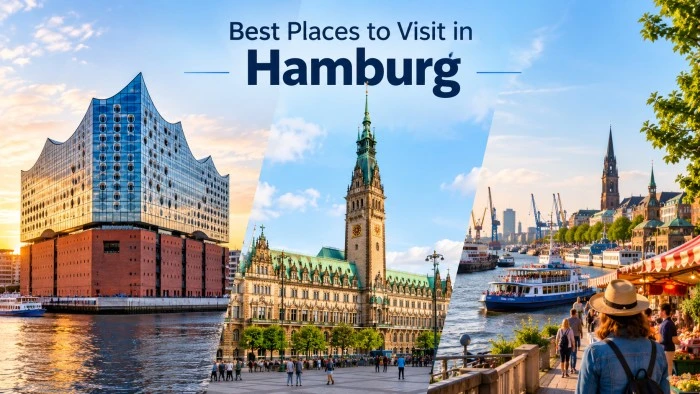
Hamburg is a vibrant German city where historic warehouses, striking modern buildings, lively waterfronts, and creative neighbourhoods come together. Exploring the places to visit in Hamburg offers travellers a chance to experience the city’s maritime heritage, cultural attractions, distinctive architecture, and everyday local life. Whether you enjoy museums, scenic canals, traditional markets, or contemporary design, Hamburg provides plenty of opportunities to discover a different side of Germany beyond its most famous tourist destinations.
Discover the Historic Speicherstadt
Speicherstadt is one of Hamburg’s most recognisable districts, famous for its red-brick warehouses, narrow waterways, and elegant bridges. Built during the late nineteenth and early twentieth centuries, this historic warehouse complex reflects the city’s important role in international trade.
Walking through the district allows visitors to appreciate its Gothic Revival influences, decorative façades, and impressive scale. The reflections of the buildings in the surrounding canals make it especially attractive for photography. UNESCO recognises Speicherstadt as part of the Speicherstadt and Kontorhaus District with Chilehaus World Heritage property, making it an excellent starting point for exploring Hamburg’s architectural identity.
Admire the Elbphilharmonie
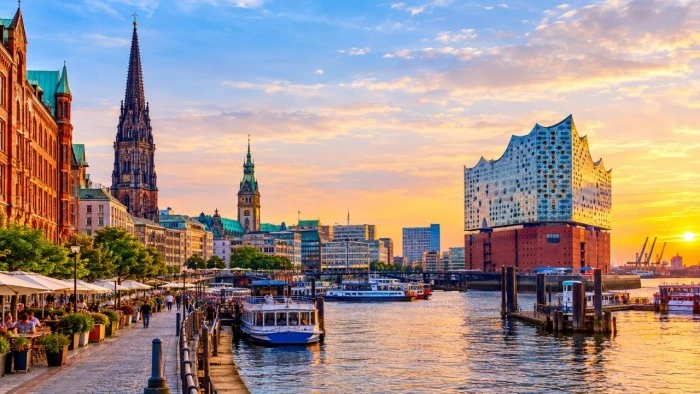
The Elbphilharmonie stands above the Elbe River, combining a historic brick warehouse base with a dramatic glass structure. Its wave-inspired roofline has become a defining feature of Hamburg’s modern skyline.
Beyond its striking exterior, the building is internationally known for its concert halls and acoustics. Visitors can also explore the public Plaza, which offers panoramic views of the harbour, river, and surrounding city. Access arrangements may vary, so check the official visitor information before arriving. The Elbphilharmonie demonstrates how Hamburg brings historical architecture and contemporary design together while maintaining a strong connection to its waterfront.
Explore HafenCity’s Contemporary Neighbourhood
HafenCity is one of Europe’s most ambitious urban redevelopment areas, transforming former port and industrial land into a modern neighbourhood of homes, offices, public spaces, and cultural attractions.
The district features innovative buildings, waterside promenades, cafés, and open plazas. Walking through HafenCity provides an opportunity to see how Hamburg is adapting its maritime landscape for modern urban living. Architectural enthusiasts can compare contemporary residential buildings with nearby historic warehouses to understand the city’s changing design approach.
The area is also ideal for a relaxed walk beside the water, especially when you want to combine sightseeing with coffee or a meal.
Experience Local Life at the Fish Market
For a taste of Hamburg’s traditions, the historic Fish Market near St. Pauli offers a lively atmosphere and a glimpse into the city’s trading culture. Traditionally held on Sunday mornings, the market attracts residents and visitors looking for fresh produce, seafood, flowers, snacks, and local specialities.
Arriving early is part of the experience, particularly if you want to see the market at its busiest. The surrounding harbour area provides additional opportunities for waterfront walks and views of boats moving along the Elbe. Opening times and seasonal arrangements can change, so check current details before planning an early start.
Visit the International Maritime Museum
Hamburg’s maritime history is central to its identity, and the International Maritime Museum explores this connection through extensive collections covering ships, navigation, exploration, and seafaring traditions.
Located in the historic Kaispeicher B warehouse, the museum also offers an architectural experience. Its preserved brick structure reflects the city’s trading past, while the exhibitions reveal how maritime activity influenced Hamburg’s economy and international connections. It is a rewarding stop for travellers interested in history, engineering, and the stories behind the city’s busy harbour.
Wander Through St. Pauli and Sternschanze
Hamburg’s neighbourhoods reveal a more informal side of the city. St. Pauli is known for its music venues, nightlife, street art, and distinctive cultural history. The Reeperbahn is its best-known entertainment street, but nearby lanes and cafés provide plenty of opportunities to explore beyond the main attractions.
Sternschanze, often called Schanze, offers independent boutiques, colourful street art, small restaurants, and relaxed cafés. These neighbourhoods are ideal for discovering local food, observing everyday life, and experiencing Hamburg’s creative atmosphere.
When planning a city break, Onthebeach can be a useful starting point for exploring travel and accommodation options that help you make time for these different neighbourhoods.
Enjoy the Views Around Alster Lake
The Alster lakes bring a peaceful contrast to Hamburg’s busy port districts. Binnenalster, close to the city centre, is surrounded by shopping streets, elegant buildings, and cafés. Außenalster offers a larger green waterfront area popular for walking, jogging, cycling, and sailing.
A stroll beside the water provides attractive views of historic townhouses and modern city buildings. In warmer months, visitors can enjoy boat trips or relax in nearby parks. The area is particularly appealing if you want to experience Hamburg at a slower pace.
Make the Most of Your Hamburg Visit
Hamburg rewards travellers who balance famous landmarks with neighbourhood discoveries. Explore Speicherstadt for historic architecture, visit the Elbphilharmonie for modern design, learn about maritime traditions at the city’s museums, and spend time in St. Pauli or Sternschanze for local culture.
With its canals, waterfront promenades, distinctive buildings, and lively markets, Hamburg offers a memorable mix of heritage and contemporary city life. Allowing time to walk between districts is one of the best ways to appreciate its character and uncover experiences beyond the usual sightseeing route.