Fun and Nutritious Treats to Keep Small Pets Happy and Active

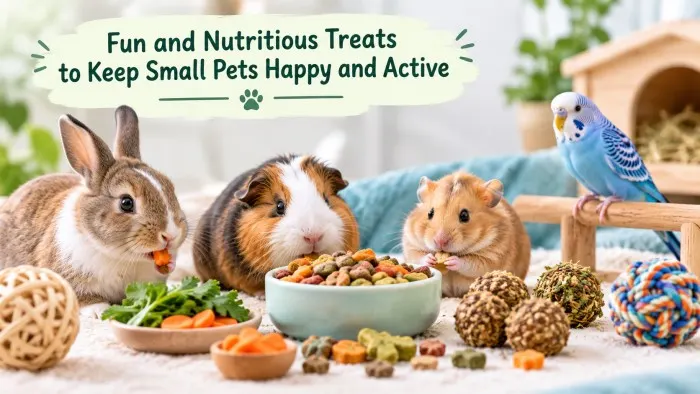
Keeping Small Pets Happy and active involves more than providing a comfortable home and regular meals. Treats can add variety to their diet, encourage natural behaviors, and create opportunities for interaction. Whether you have a rabbit, guinea pig, hamster, gerbil, or another small companion, choosing nutritious treats and offering them appropriately can support their overall well-being.
Why Treats Matter for Small Pets
Treats can be useful for enrichment as well as nutrition. Small animals naturally spend time exploring, searching for food, chewing, and foraging. Offering healthy treats in creative ways can help replicate some of these behaviors in a home environment.
However, treats should complement a balanced everyday diet rather than replace it. Small pets have relatively small bodies, so even modest portions can represent a significant amount of their daily calorie intake. Fresh hay, appropriate pellets, vegetables, and clean water should remain the foundation of their diet, depending on the species.
Fresh Vegetables for a Nutritious Boost
Many small pets can enjoy suitable fresh vegetables as occasional treats. Leafy greens, bell peppers, cucumber, and small amounts of other pet-safe vegetables can provide variety while adding vitamins and moisture to the diet. Introduce new foods gradually and in small portions. This makes it easier to identify whether a particular food causes digestive problems. Always research whether a vegetable is appropriate for your pet’s specific species before adding it to their meals.
For rabbits and guinea pigs, leafy greens can be especially useful additions when offered as part of a balanced diet. Guinea pigs also require dietary vitamin C, making suitable vitamin-C-rich vegetables an interesting option.
Fruit: A Sweet but Occasional Treat
Fruit can be an appealing reward because many small pets enjoy its natural sweetness. Small pieces of apple, strawberry, blueberry, pear, or banana may be appropriate for certain species. Because fruit contains naturally occurring sugars, portions should remain small and occasional. Avoid giving fruit with seeds, pits, stems, or other potentially harmful parts.
Some fruits and foods that are safe for people may not be suitable for small animals, so checking species-specific guidance is important. A tiny piece of fruit can also make an effective training reward without turning treats into a major part of the diet.
Healthy Commercial Treats
Packaged treats can be convenient, particularly when you want something specifically formulated for a small animal. Look for products with simple ingredients and limited added sugar, rather than colorful treats containing excessive sweeteners or unnecessary fillers.
When shopping for pet supplies, retailers such as Ocado may offer a convenient way to compare different products and ingredients. Still, the packaging should not be the only consideration. Check feeding recommendations and choose treats appropriate for your pet’s species, age, and dietary needs.
Treats containing excessive sugar, salt, artificial additives, or unsuitable ingredients are generally best avoided. If your pet has a medical condition or specific dietary restriction, consult a veterinarian before introducing new treats.
Turn Treat Time Into Exercise
Treats become even more beneficial when they encourage movement and problem-solving. Instead of simply placing a snack in your pet’s bowl, hide small portions around a safe enclosure and allow your pet to search for them. You can also use tunnels, cardboard tubes, forage mats, or pet-safe puzzle toys to create simple food-based activities. Foraging encourages exploration and can make mealtime more engaging.
For animals that enjoy chewing, placing suitable edible materials around their enclosure can provide additional enrichment. Always make sure toys and accessories are specifically designed to be safe for the animal and free from hazardous materials.
Homemade Treat Ideas
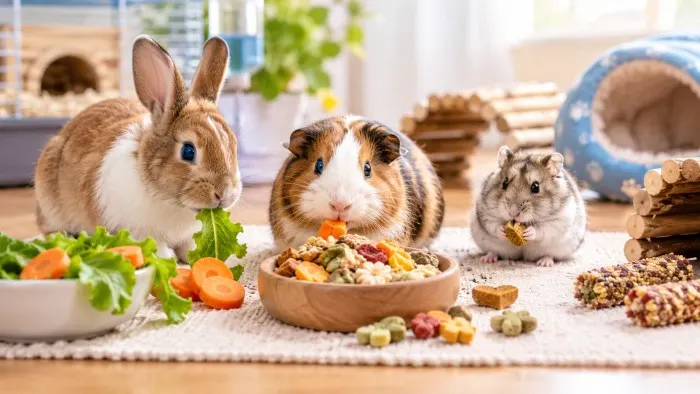
Simple homemade treats can provide an alternative to heavily processed snacks. Depending on the species, you might offer small pieces of fresh vegetables or create a simple forage mix using approved dried herbs and plants.
For suitable animals, you can also combine safe ingredients into tiny portions rather than making large treats. The key is simplicity. Avoid recipes containing chocolate, caffeine, excessive sugar, dairy products, or ingredients that are unsafe for the particular species. Homemade does not automatically mean healthier, so every ingredient should be checked carefully.
Portion Control Is Essential
One of the most important rules for treating small pets is moderation. Because their bodies are small, overfeeding can happen quickly. Excessive treats may contribute to weight gain and can also discourage pets from eating the foods they need for a balanced diet.
A useful approach is to keep treats tiny and account for them as part of the overall daily food intake. Monitor your pet’s weight, appetite, energy levels, and digestion. Sudden changes should be discussed with a veterinarian.
Make Treats Part of a Healthy Routine
The best treats combine nutrition, variety, and enrichment. Fresh vegetables, limited portions of fruit, suitable commercial snacks, and food-based games can all make daily life more interesting for small pets. Ocado can be one convenient place to explore pet-food options, but thoughtful ingredient selection and portion control remain more important than the retailer you choose. By keeping treats appropriate to the species and using them to encourage natural behaviors, owners can make snack time both enjoyable and enriching.
Ultimately, treats should be a small part of a much bigger picture: a suitable diet, regular activity, mental stimulation, a safe environment, and plenty of attentive care. With the right balance, treat time can become an enjoyable opportunity to support your small pet’s active and healthy lifestyle.