How to Choose the Best Wild Bird Food for Different Garden Bird Species

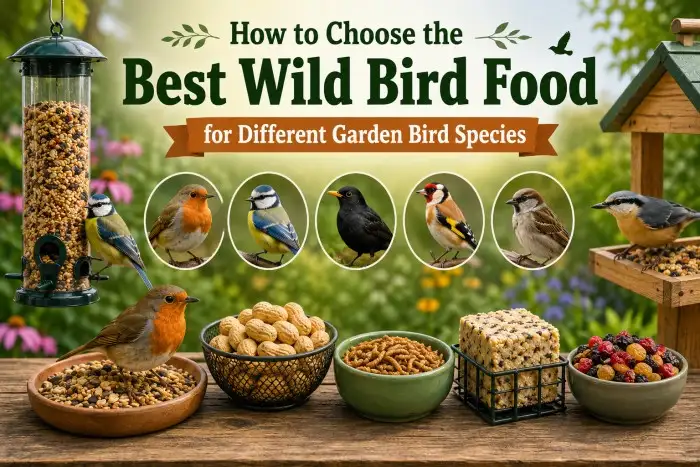
Watching wild birds visit your garden can be one of the most rewarding parts of spending time outdoors. Providing the right food not only attracts a wider variety of birds but also helps them find essential nutrients throughout the year. Since different bird species have unique dietary preferences, choosing suitable food can make your garden a welcoming place for both common and less-frequent visitors.
Whether you’re new to bird feeding or looking to improve your setup, understanding the feeding habits of different garden birds is the first step toward making the right choice.
Why Choosing the Right Wild Bird Food Matters
Not all birds eat the same types of food. Some prefer seeds, while others rely on insects, fruit, or high-energy treats. Offering a variety of foods encourages biodiversity and supports birds during breeding, migration, and colder months when natural food sources may be limited.
Matching food to the birds in your area also reduces waste, as birds are more likely to eat foods they naturally enjoy.
Common Types of Wild Bird Food
Seed Mixes
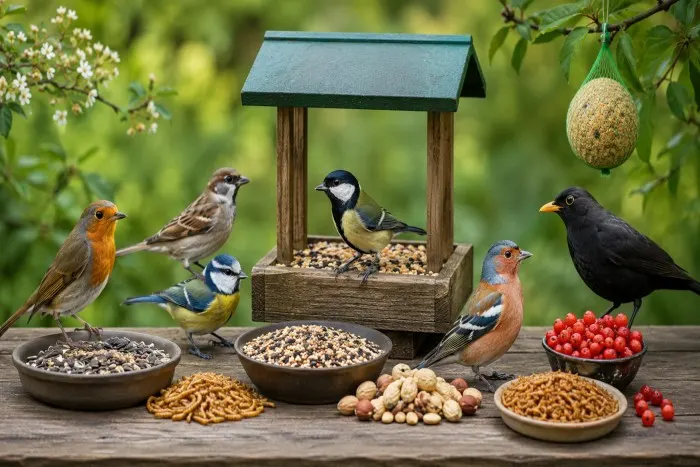
Seed mixes are among the most versatile options for attracting multiple bird species. High-quality mixes often include sunflower seeds, millet, oats, and other nutritious ingredients.
These blends can attract:
- Sparrows
- Finches
- Dunnocks
- Greenfinches
- Chaffinches
Choose mixes with minimal filler ingredients, as these are more likely to be consumed rather than scattered on the ground.
Sunflower Seeds
Sunflower seeds are considered one of the most popular foods for garden birds.
Benefits include:
- Rich in healthy fats
- Excellent energy source
- Suitable throughout the year
- Loved by tits, finches, and nuthatches
Both black sunflower seeds and sunflower hearts are excellent choices.
Suet Products
Suet provides concentrated energy, making it especially valuable during autumn and winter.
Birds that enjoy suet include:
- Robins
- Woodpeckers
- Starlings
- Blue tits
- Great tits
Suet is available in blocks, pellets, balls, and filled feeders.
Mealworms
Mealworms are packed with protein and are particularly useful during nesting season.
Ideal for:
- Robins
- Blackbirds
- Wrens
- Thrushes
Live or dried mealworms can both be effective depending on your preference.
Peanuts
Unsalted peanuts offer protein and healthy fats.
Popular with:
- Woodpeckers
- Blue tits
- Great spotted woodpeckers
- Nuthatches
Always serve whole peanuts in a mesh feeder to reduce choking risks for young birds.
Best Food for Popular Garden Bird Species
Robins
Robins often feed close to the ground and prefer:
- Mealworms
- Soft fruit
- Suet
- Soft seed mixes
Ground feeding trays are ideal for these birds.
Blue Tits
Blue tits enjoy:
- Sunflower hearts
- Suet balls
- Peanuts
- Fat-rich seed blends
Hanging feeders work particularly well.
Blackbirds
Blackbirds usually search for food on lawns and feeding tables.
Suitable foods include:
- Mealworms
- Raisins soaked in water
- Apples
- Soft fruit
- Suet
Goldfinches
Goldfinches favour smaller seeds, particularly:
- Nyjer seed
- Sunflower hearts
- Fine seed blends
Special nyjer feeders help reduce waste.
House Sparrows
House sparrows prefer:
- Mixed seeds
- Millet
- Cracked corn
- Sunflower hearts
Offering several feeding stations encourages larger groups to visit.
Seasonal Bird Feeding Tips
Spring
Birds require extra protein while raising chicks.
Good choices include:
- Mealworms
- High-protein seed mixes
- Soft foods
Summer
Fresh water becomes just as important as food.
Provide:
- Clean bird baths
- Mixed seeds
- Sunflower hearts
Regular cleaning helps prevent disease.
Autumn
Birds begin storing energy before winter arrives.
Offer:
- Energy-rich seed mixes
- Peanuts
- Suet pellets
Winter
Food shortages are more common during cold weather.
Best options include:
- Fat balls
- Suet blocks
- Sunflower seeds
- Peanuts
Keep feeders topped up consistently during freezing conditions.
Selecting the Right Bird Feeders
Different foods require different feeder types.
- Tube feeders work well for sunflower seeds.
- Mesh feeders are ideal for peanuts.
- Nyjer feeders suit fine seeds.
- Feeding tables accommodate larger birds.
- Ground trays attract robins and blackbirds.
Using multiple feeder styles increases the variety of birds that visit your garden.
Keep Feeders Clean
Regular cleaning protects birds from disease.
Good maintenance includes:
- Washing feeders weekly.
- Removing wet or mouldy food.
- Cleaning bird baths regularly.
- Storing bird food in cool, dry conditions.
- Replacing old food promptly.
Healthy feeding stations encourage repeat visits throughout the year.
Create a Bird-Friendly Garden
Food is only one part of supporting garden wildlife. Consider adding:
- Native shrubs
- Trees for shelter
- Fresh water sources
- Nesting boxes
- Quiet feeding areas away from pets
These simple additions create a safe environment where birds can thrive.
Finding Quality Bird Food
When choosing bird food, look for products made with high-quality ingredients and appropriate blends for the species you want to attract. Retailers such as Ocado offer a range of wild bird foods, including seed mixes, suet products, peanuts, and mealworms, making it easier to provide suitable nutrition throughout the year.
Conclusion
Choosing the best wild bird food starts with understanding the feeding habits of the birds visiting your garden. By offering a variety of seeds, suet, mealworms, and other nutritious foods in appropriate feeders, you can attract more species while supporting their health in every season. Combined with clean feeding stations and a wildlife-friendly garden, the right food helps create a thriving outdoor space that birds will return to year after year.