Why Frozen Vegetarian Foods Are Becoming a Staple in Modern Kitchens

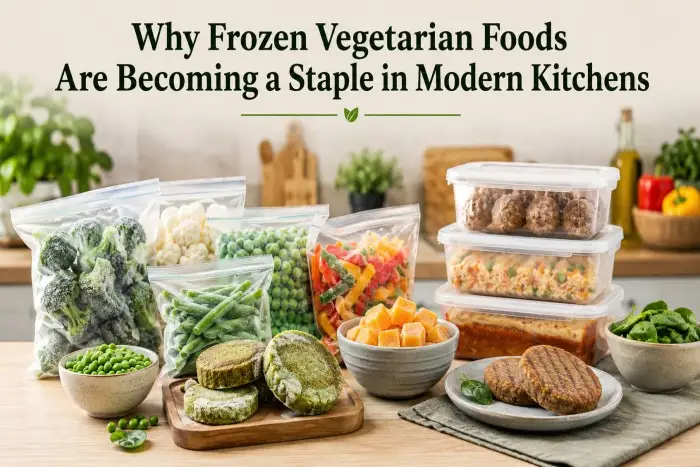
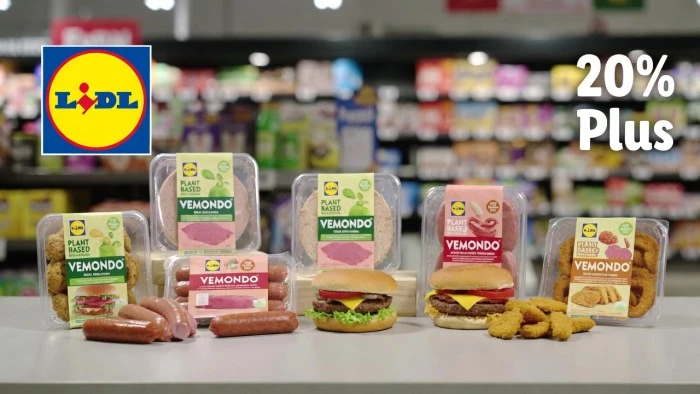
As consumers seek healthier, more convenient, and sustainable meal options, frozen vegetarian foods have become a go-to choice for households around the world. Retailers such as Ocado have expanded their frozen vegetarian selections to meet growing demand, offering everything from plant-based meals and meat alternatives to frozen vegetables and ready-to-cook snacks. What was once considered a backup option is now a kitchen essential for busy families, professionals, and health-conscious individuals alike.
The Rise of Convenient Plant-Based Eating
Modern lifestyles often leave little time for meal planning and preparation. Frozen vegetarian foods provide a practical solution by offering ready-to-cook ingredients and meals that can be prepared in minutes. Whether it’s a quick lunch between meetings or a hassle-free dinner after a long day, frozen vegetarian products make healthy eating more accessible.
Unlike fresh produce that may spoil within days, frozen options remain available whenever needed. This convenience allows consumers to enjoy nutritious meals without making frequent trips to the grocery store.
Preserving Nutrition Through Freezing
One of the biggest misconceptions about frozen foods is that they are less nutritious than fresh alternatives. In reality, many vegetables are frozen shortly after harvest, helping lock in essential vitamins and minerals.
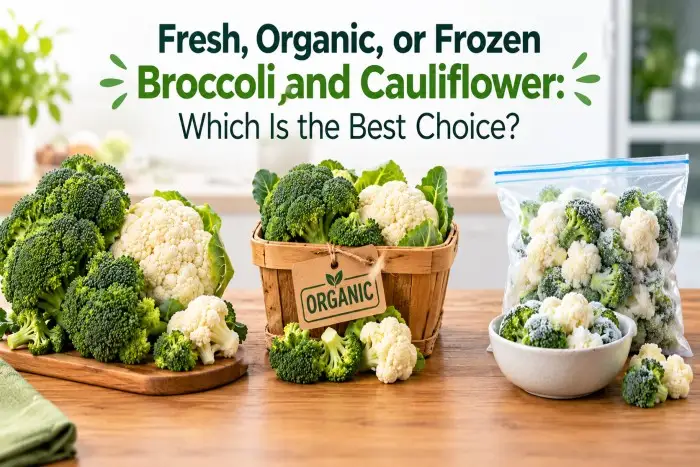
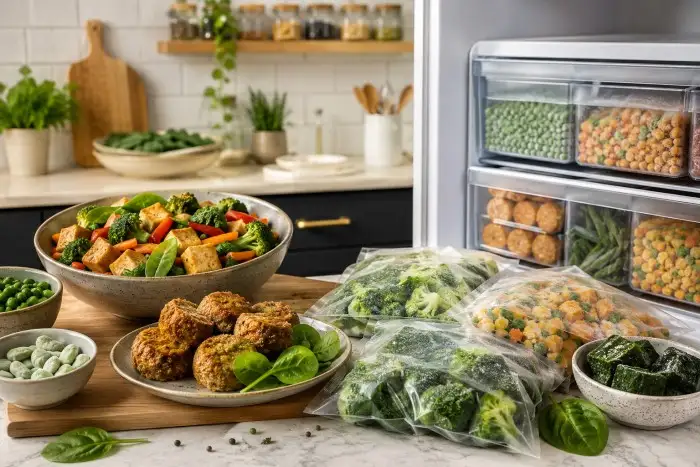
Frozen peas, spinach, broccoli, mixed vegetables, and other plant-based ingredients often retain much of their nutritional value. This makes frozen vegetarian foods an excellent option for individuals looking to increase their vegetable intake while maintaining a balanced diet.
Reducing Food Waste at Home
Food waste remains a major challenge in many households. Fresh vegetables can quickly lose their quality if they are not used promptly, leading to unnecessary waste and increased grocery expenses.
Frozen vegetarian foods help address this issue by offering longer shelf life and portion flexibility. Consumers can use only what they need and store the rest for later, reducing spoilage and making meal planning more efficient.
This practical benefit is one of the key reasons frozen vegetarian products are becoming a permanent fixture in modern kitchens.
More Variety Than Ever Before
The frozen food aisle has evolved significantly in recent years. Today’s consumers can choose from a wide range of vegetarian products, including:
- Plant-based burgers
- Meat-free sausages
- Vegetarian pizzas
- Ready-made curries
- Vegetable stir-fry mixes
- Falafel and veggie bites
- Frozen fruits for smoothies
- International vegetarian meals
This variety allows home cooks to experiment with different cuisines and flavors without spending hours preparing ingredients from scratch.
Supporting Health-Conscious Lifestyles
Many consumers are actively seeking ways to improve their eating habits. Frozen vegetarian foods can support these goals by making it easier to incorporate vegetables and plant-based proteins into daily meals.
Many products are rich in fiber, vitamins, minerals, and protein while containing less saturated fat than traditional meat-based alternatives. As awareness of nutrition continues to grow, frozen vegetarian options are becoming an attractive choice for people looking to maintain healthier lifestyles.
A Budget-Friendly Meal Solution
Rising food costs have encouraged consumers to look for affordable meal options. Frozen vegetarian foods often provide excellent value because they can be stored for extended periods without spoilage.
Stocking a freezer with vegetables, meat alternatives, and ready-to-cook meals allows households to create nutritious dishes without relying on expensive last-minute purchases. This makes frozen vegetarian products a practical choice for budget-conscious families.
Sustainability and Environmental Benefits
Environmental concerns are also influencing purchasing decisions. Plant-based foods generally require fewer natural resources than animal-based products, and many consumers view vegetarian options as a more sustainable choice.
Additionally, frozen foods can help reduce food waste throughout the supply chain and at home. By extending product shelf life, freezing helps ensure that more food is consumed rather than discarded.
As sustainability becomes increasingly important, frozen vegetarian products are likely to play a growing role in environmentally conscious kitchens.
Perfect for Quick and Creative Cooking
Frozen vegetarian ingredients are incredibly versatile. They can be used in a variety of dishes, including:
- Soups and stews
- Pasta recipes
- Stir-fries
- Grain bowls
- Curries
- Casseroles
- Smoothies
- Breakfast dishes
Because many ingredients come pre-washed and pre-cut, they save valuable preparation time while still allowing home cooks to create flavorful meals.
The Future of Frozen Vegetarian Foods
Innovation continues to transform the frozen vegetarian category. Manufacturers are introducing products with improved textures, cleaner ingredient lists, higher protein content, and globally inspired flavors.
Advancements in food technology are making plant-based alternatives increasingly appealing to a broader audience, including consumers who are not strictly vegetarian but want to reduce their meat consumption.
As demand for convenient and nutritious meal solutions grows, frozen vegetarian foods are expected to become even more popular in the years ahead.
Conclusion
Frozen vegetarian foods have moved far beyond their traditional role as simple freezer staples. Their combination of convenience, nutrition, affordability, and sustainability makes them an ideal fit for modern lifestyles. With a growing variety of products available and increasing consumer interest in plant-based eating, frozen vegetarian foods are earning a permanent place in kitchens around the world. Whether you’re looking to save time, reduce waste, or enjoy healthier meals, the freezer aisle offers more opportunities than ever before.