Polycarbonate vs Plastic Lenses: Which One Should You Choose for Better Eye Protection?

Choosing the right lenses isn’t just about clarity—it’s about protecting your eyes in everyday life. Whether you’re buying glasses for work, driving, or sports, understanding the difference between polycarbonate and plastic lenses can help you make a smarter decision. Brands like Zenni Optical offer both options, making it important to know which one truly fits your needs.
What Are Plastic Lenses?
Plastic lenses (often called CR-39 lenses) are one of the most common and affordable options in eyewear. They are made from a lightweight plastic polymer and provide good optical clarity.
Key Features:
- Affordable and widely available
- Clear vision with minimal distortion
- Slightly heavier than modern alternatives
- Basic UV protection (may require coating)
Plastic lenses are a solid choice for everyday use, especially if budget is a concern. However, when it comes to safety and durability, they have some limitations.
What Are Polycarbonate Lenses?
Polycarbonate lenses are made from a high-impact resistant material originally developed for aerospace and safety equipment. Today, they are widely used in modern eyewear.
Key Features:
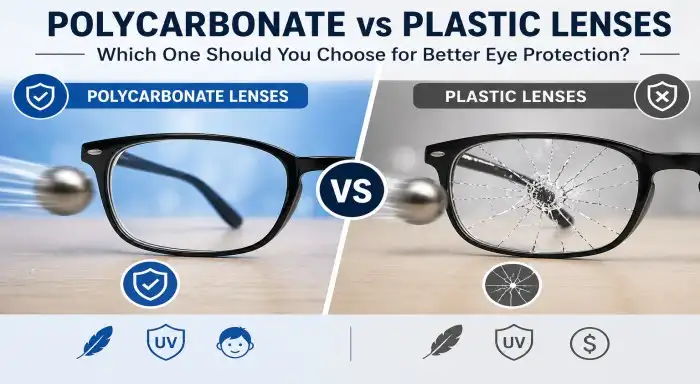
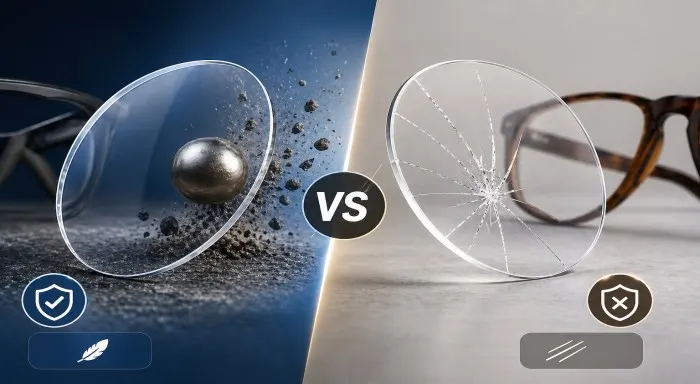
- Extremely impact-resistant (nearly unbreakable)
- Lightweight and comfortable
- Built-in UV protection
- Thinner than plastic lenses
These lenses are designed with safety in mind, making them ideal for active lifestyles and high-risk environments.
Polycarbonate vs Plastic Lenses: Key Differences
1. Impact Resistance (Eye Protection)
This is where polycarbonate lenses clearly stand out.
- Polycarbonate lenses: Highly resistant to impact; ideal for kids, athletes, and outdoor use
- Plastic lenses: Can crack or shatter under strong impact
If safety is your top priority, polycarbonate is the better choice.
2. Weight and Comfort
- Polycarbonate: Lighter and more comfortable for long wear
- Plastic: Slightly heavier but still manageable
For all-day wear, especially with larger frames, polycarbonate offers better comfort.
3. UV Protection
- Polycarbonate: 100% UV protection built-in
- Plastic: Requires additional coating for full protection
This makes polycarbonate lenses more convenient and reliable for eye health.
4. Optical Clarity
- Plastic lenses: Slightly better optical clarity
- Polycarbonate lenses: Good clarity but may have minor distortion for some users
If your priority is crisp vision and you’re not in high-risk environments, plastic lenses may be sufficient.
5. Price
- Plastic lenses: More budget-friendly
- Polycarbonate lenses: Slightly more expensive but offer better protection
Many providers like Zenni Optical offer affordable polycarbonate upgrades, making them accessible to most buyers.
Which One Should You Choose?
Your choice depends on your lifestyle and priorities:
Choose Polycarbonate Lenses if you:
- Want maximum eye protection
- Are buying glasses for kids
- Play sports or have an active lifestyle
- Need lightweight, all-day comfort
Choose Plastic Lenses if you:
- Are on a tight budget
- Prioritize optical clarity
- Use glasses mainly for low-risk, indoor activities
Final Verdict
When it comes to better eye protection, polycarbonate lenses are the clear winner. Their durability, UV protection, and lightweight design make them a safer and more modern option for most people.
However, plastic lenses still have their place—especially for those looking for an affordable and clear vision solution.
If you’re shopping online through platforms like Zenni Optical, consider your daily activities before choosing. Investing a little more in polycarbonate lenses can go a long way in protecting your eyes.