What Is a Brokerage Account and How Does It Work for Beginners?


A brokerage account serves as your personal portal to the investment world. Unlike a regular savings account at a bank, it lets you purchase and hold assets that can grow over time. For beginners, it represents the simplest way to participate in the stock market without needing advanced knowledge right away. You control everything from choosing investments to tracking performance, all from one secure online platform. This setup empowers you to take charge of your financial future at your own pace.
What Exactly Is a Brokerage Account?
At its core, a brokerage account is an investment platform provided by a brokerage firm. You deposit money into it, and that cash becomes available to buy securities such as individual stocks, bonds, exchange-traded funds (ETFs), and mutual funds. The account holds these assets in your name, and any profits or losses directly affect your balance. It works like a digital wallet for investments, with built-in tools for placing trades, viewing statements, and receiving dividends. Beginners appreciate how transparent and user-friendly modern brokerage accounts have become, often featuring mobile apps and educational dashboards.
Types of Brokerage Accounts Available
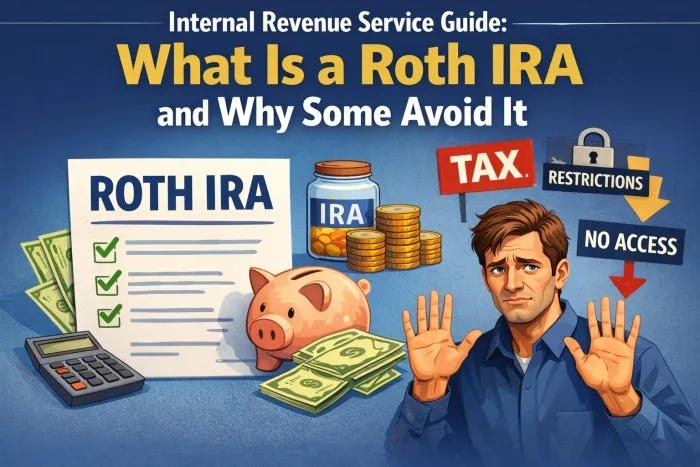
You have several options to match your goals. A standard taxable brokerage account offers complete flexibility with no contribution limits, but you pay taxes on gains each year. For longer-term planning, individual retirement accounts (IRAs) provide tax advantages, letting your money grow either tax-deferred or tax-free depending on the type. Roth IRAs stand out because qualified withdrawals in retirement come out completely tax-free. Many beginners start with a taxable account for its simplicity before adding retirement-focused ones. Each type operates under the same basic rules for buying and selling, but the tax treatment differs significantly.
Key Benefits for Beginners
Opening a brokerage account gives you direct access to wealth-building tools that savings accounts cannot match. Your money works harder through potential stock appreciation, dividend payments, and compound growth. You gain educational resources, research tools, and the ability to start small with fractional shares. Unlike employer plans, you choose every investment yourself, building confidence and knowledge along the way. Beginners often see their first portfolio gains within months, turning abstract concepts like investing into real results.
Steps to Open Your First Brokerage Account
The process takes just minutes online. First, visit a brokerage firm’s website and click to open an account. You provide basic personal information, including your name, address, and Social Security number for verification. Next, select the account type that fits your needs—taxable or retirement. Review and accept the terms, then submit your application. Most firms approve new accounts within one to two business days. Once approved, you receive login details and can immediately begin exploring the platform. This straightforward setup removes barriers that once kept new investors on the sidelines.
How to Fund Your Brokerage Account
After approval, transfer money from your bank using an electronic link. You can start with as little as a few dollars thanks to many platforms supporting fractional investing. Options include one-time deposits, recurring automatic transfers, or even moving existing investments from another account. The funds typically appear within one to three business days, ready for use. Beginners should begin with an amount they can afford to invest long-term, avoiding pressure to fund everything at once. This gradual approach builds comfort while letting you learn the platform.
Understanding Investment Options in a Brokerage Account
Inside your account, you select from a wide menu of assets. Stocks represent ownership in companies and offer growth potential. Bonds provide steady income through interest payments. ETFs bundle many stocks or bonds into one low-cost package, making diversification easy for beginners. Mutual funds pool money from many investors for professional management. Each option appears with real-time prices, performance charts, and details so you can compare before buying. Exploring these choices helps new investors match investments to their comfort level and timeline.

How to Buy and Sell Investments
Placing your first trade feels simple once you know the steps. Search for a stock or ETF by ticker symbol, review its details, then choose order type—market for immediate purchase at current price or limit for a specific price. Enter the number of shares or dollar amount, confirm, and submit. The trade executes quickly during market hours. Selling follows the same process in reverse. You can track every transaction in your account history. Beginners benefit from practicing with small amounts to understand how prices move throughout the day.
Fees and Costs to Watch Out For
Most brokerage accounts now charge zero commissions on stock and ETF trades, removing a major hurdle for beginners. Still, watch for other expenses like regulatory fees on options, inactivity charges on some platforms, or expense ratios inside mutual funds and ETFs. Withdrawal fees or wire transfer costs may apply occasionally. Always review the fee schedule before funding. Low overall costs mean more of your money stays invested and working for you, which matters greatly when starting small.
Researching and Analyzing Investments
Before buying, use the built-in research tools to study company financials, news, and performance charts. Valuable resources such as Motley Fool Money provide excellent guidance for new investors seeking clear explanations and stock ideas. Focus on understanding why a company might grow rather than chasing hot tips. Track earnings reports and industry trends directly in your account dashboard. This research step turns beginners into informed decision-makers over time.
Managing Risks as a Beginner
Every investment carries risk because markets fluctuate daily. Prices can drop sharply due to economic news or company events. To protect yourself, spread money across different sectors and asset types instead of concentrating in one stock. Set a long-term horizon of at least five years so short-term dips matter less. Use stop-loss orders if needed, though many beginners prefer simply holding quality investments through volatility. Recognizing risk early prevents panic selling and supports steady progress.
Common Mistakes Beginners Make
New investors sometimes buy on emotion after seeing rapid price rises or sell everything during temporary declines. Others overlook diversification or chase complex products before mastering basics. Failing to set clear goals also leads to scattered decisions. By reviewing your portfolio quarterly rather than daily, you avoid these pitfalls and develop discipline. Learning from small early mistakes builds better habits for larger future investments.
Tips for Success in Using Your Brokerage Account
Start small and increase contributions as you gain confidence. Reinvest dividends automatically to harness compounding. Keep learning through the platform’s free tutorials and market news. As highlighted by Motley Fool Money, patience is key to long-term investing success. Rebalance once or twice a year to maintain your chosen mix of stocks and bonds. Celebrate milestones like reaching your first $1,000 invested, which keeps motivation high.
Getting Started Today
A brokerage account opens the door to financial independence by letting you own pieces of the economy. With clear steps, low costs, and powerful tools, beginners can confidently begin investing and watch their money grow. Take the first step by opening your account this week. Consistent action combined with ongoing learning positions you for a stronger financial future. Your journey starts with that single account—make it count.